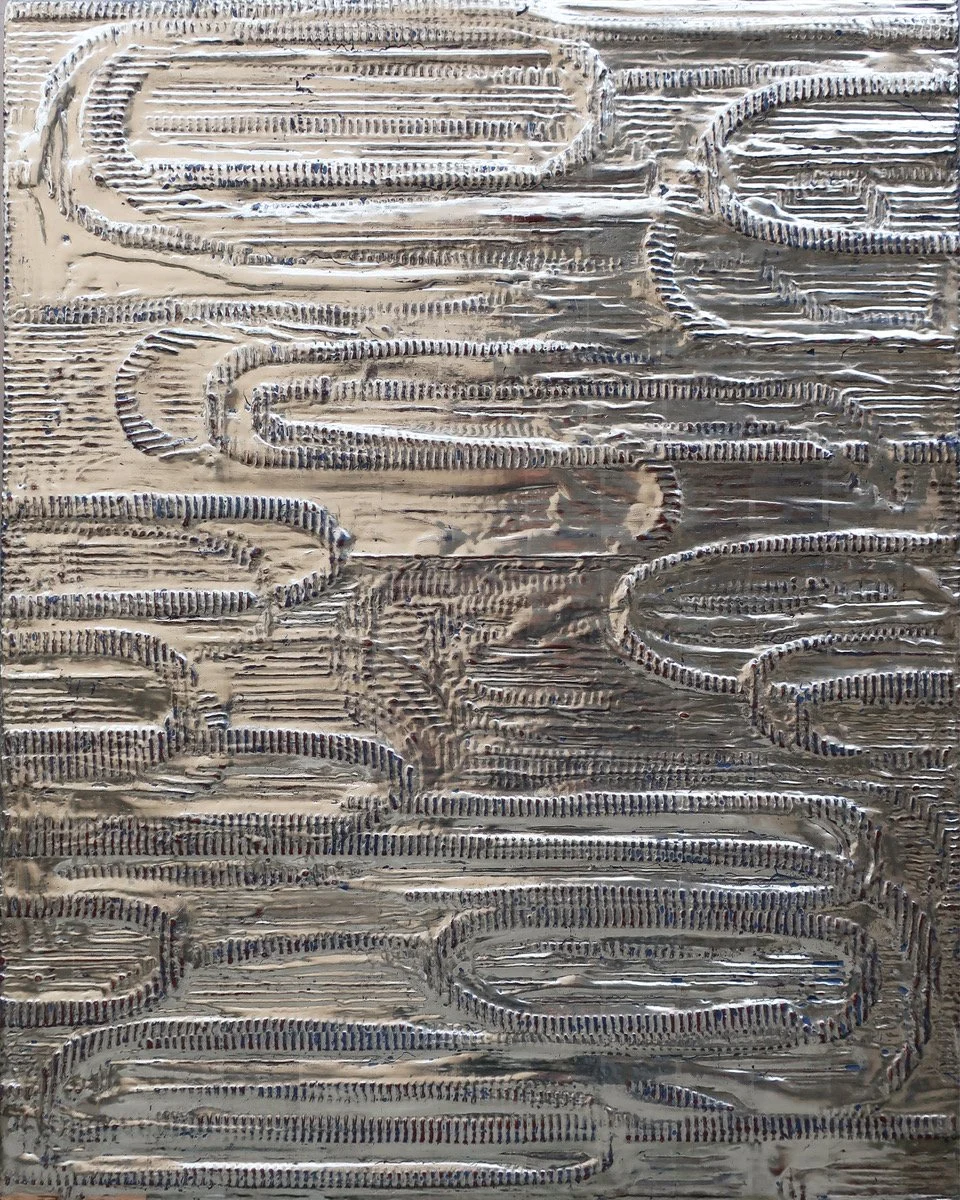
Nancy Lorenz is a New York-based artist who makes objects of incandescent beauty. Her practice deconstructs modernist methods and transforms traditional materials.
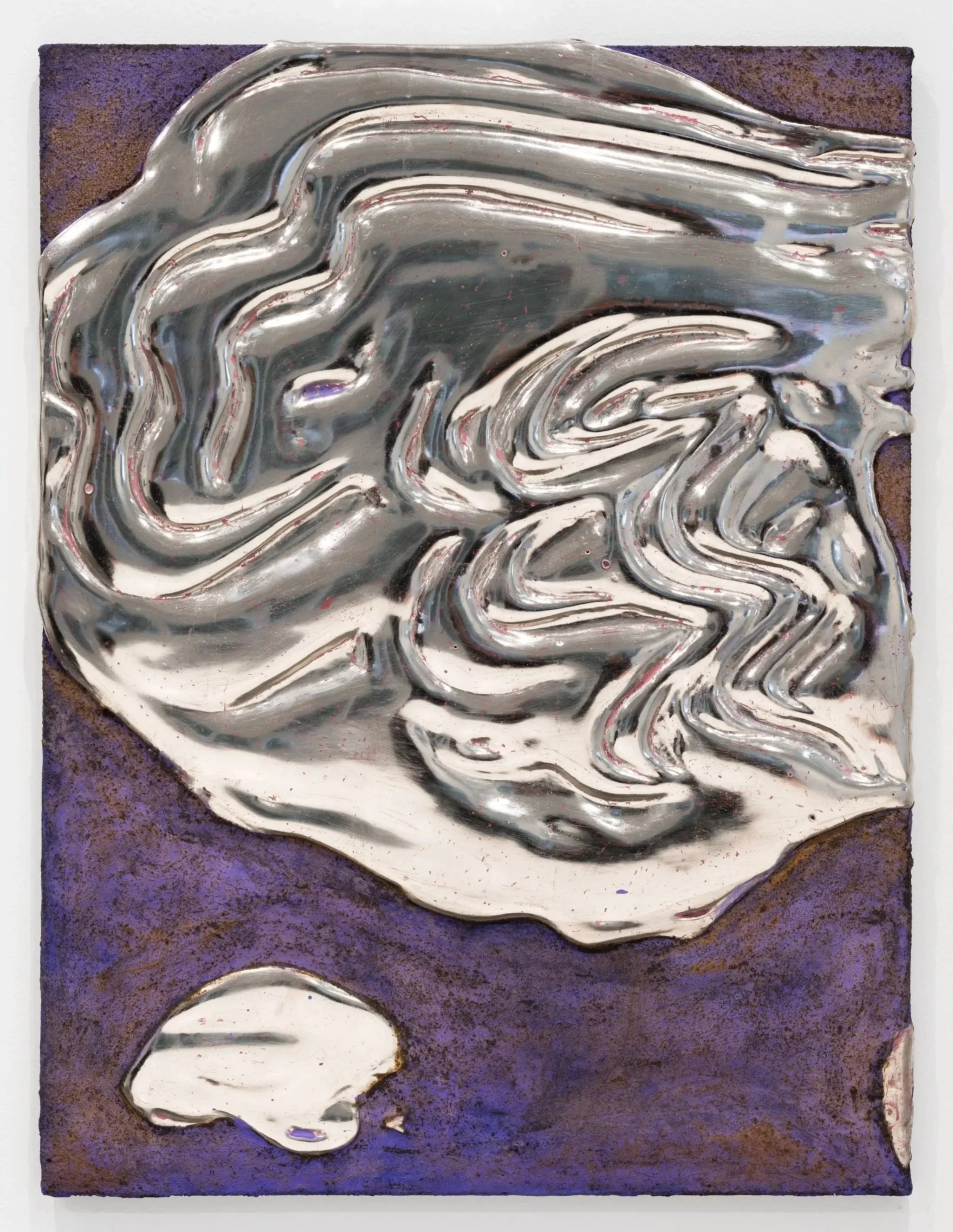
Palladium Cloud with Iron, 2024, palladium leaf, iron fillings, jute, and pigment on wood panel, 20 x 15 in.In 2018, I was the organizer of Lorenz’s first museum retrospective, at The San Diego Museum of Art. In 2027, her series The Elements will be the subject of an exhibition at the Taubman Art Museum in Roanoke, Virginia. The dates at the Taubman will be February 4 to May 16, 2027. The exhibition is available thereafter to travel.
Though the exhibition at the Taubman will be relatively focused, there is room for the project to grow. Lorenz and I have talked in particular about the potential for an exhibition to more fully explore her process.
Alongside traditional techniques (water gilding, mother-of-pearl inlay), Lorenz employs less familiar materials, sometimes for large-scale commissions. She frequently collaborates with architects and designers, and in 2023 presented a site-specific installation at the Basilica di Santa Maria in Montesanto in Rome.
My essay for Lorenz’s 2018 exhibition catalogue opened with a passage from Jun’ichirō Tanizaki’s seminal essay In Praise of Shadows on the quintessentially Japanese use of gold and lacquer:
Lacquerware decorated in gold is not something to be seen in brilliant light, to be taken in at a single glance; it should be left in the dark, a part here and there picked up by the faintest light. Its florid patterns recede into darkness, conjuring in their stead an inexpressible aura of depth and mystery, of overtones but partly suggested.
The Elements
Rain, 2025, gold leaf, mother of pearl inlay, on wood panel, 24.5 x 18.5 in.In 2015 Nancy Lorenz began a series of paintings inspired by the periodic table of elements. The project was distinguished by its systematic approach, resting on research and experimentation.
Some of the elements were relatively unfamiliar: lutetium, for instance, a rare earth discovered in 1907. Others, such as gold and platinum, required no introduction—least of all to those familiar with Lorenz’s work. Au79 Gold, a painting on burlap, is exemplary of the artist’s Zen-inflected sensibility. Not a painting in the usual sense, the work is predicated on a technique—water gilding—more commonly associated with a picture’s frame. The composition, a gestural combination of closed forms, is raised on the rough burlap. In contrast to the coarse, open weave of the ground, water gilding gives the circular figures the luster of solid gold.
As Lorenz explains:
The table of elements was the perfect metaphor to allow me to explore and organize my interest in materials. It allowed me to experiment. I went through the elements and interpreted them in sometimes-poetic ways. It was important that the painting work on an abstract level, incorporating the wide array of art historical references that I had picked up along the way, and yet still had a concrete physical reference. In the case of Au79 Gold and Ag47 Silver, the metals are used more literally. But Pd46 Palladium, for instance, includes flocking on velvet.
Palladium Iron, 2024, palladium leaf, iron, on wood panel, 24 x 18 in.As a series, Lorenz’s Table of Elements make manifest the intersection of art and alchemy—the painter as sorcerer’s apprentice. It is replete also with references to the painter’s true apprenticeship, beginning in adolescence, when Lorenz moved with her parents from Texas to Tokyo.
The family’s first address was the Okura Hotel, an icon of Japanese modernism built in the early 1960s. Lorenz recalls her first impressions: the highly formal flower arrangements and the muted glow of the traditional paper screens. While she credits this time in Tokyo with her decision to become an artist, other sources would prove equally influential. A year spend studying in Italy after graduate school awakened an appreciation of late medieval and Renaissance gold ground painting, together with the Italian variant of Minimalism and Conceptualism that the critic Germano Celant termed arte povera.
Now at mid-career, Lorenz’s aesthetic may finally be closest to that of the 16th-century Momayama period, marked by the coexistence of two aesthetic ideals: on the one hand, the gorgeousness of the samurai’s mansion, and on the other hand, in the shadows of this luxury, the austere simplicity of the teahouse.
Recent Work
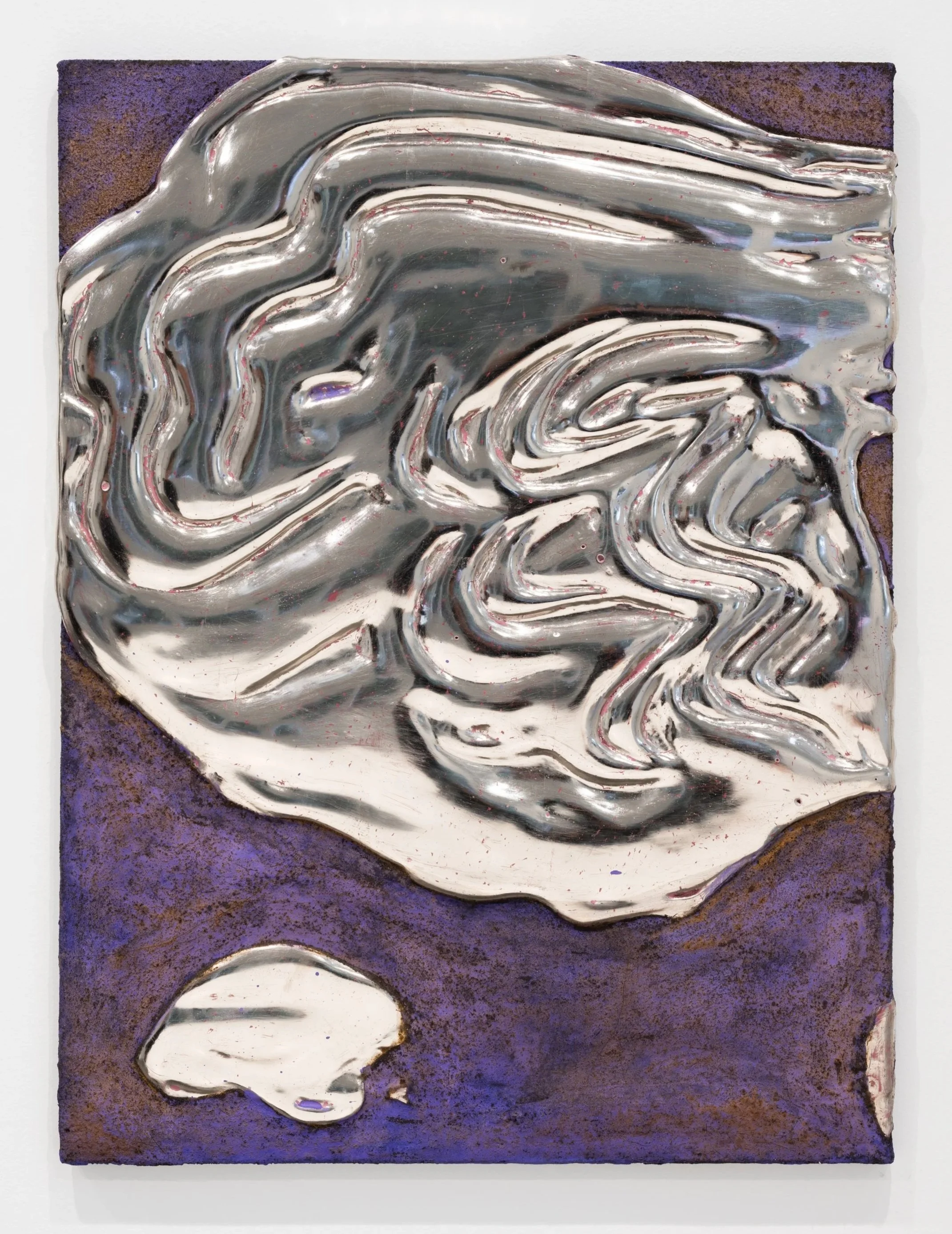
Palladium Cloud with Iron, 2024
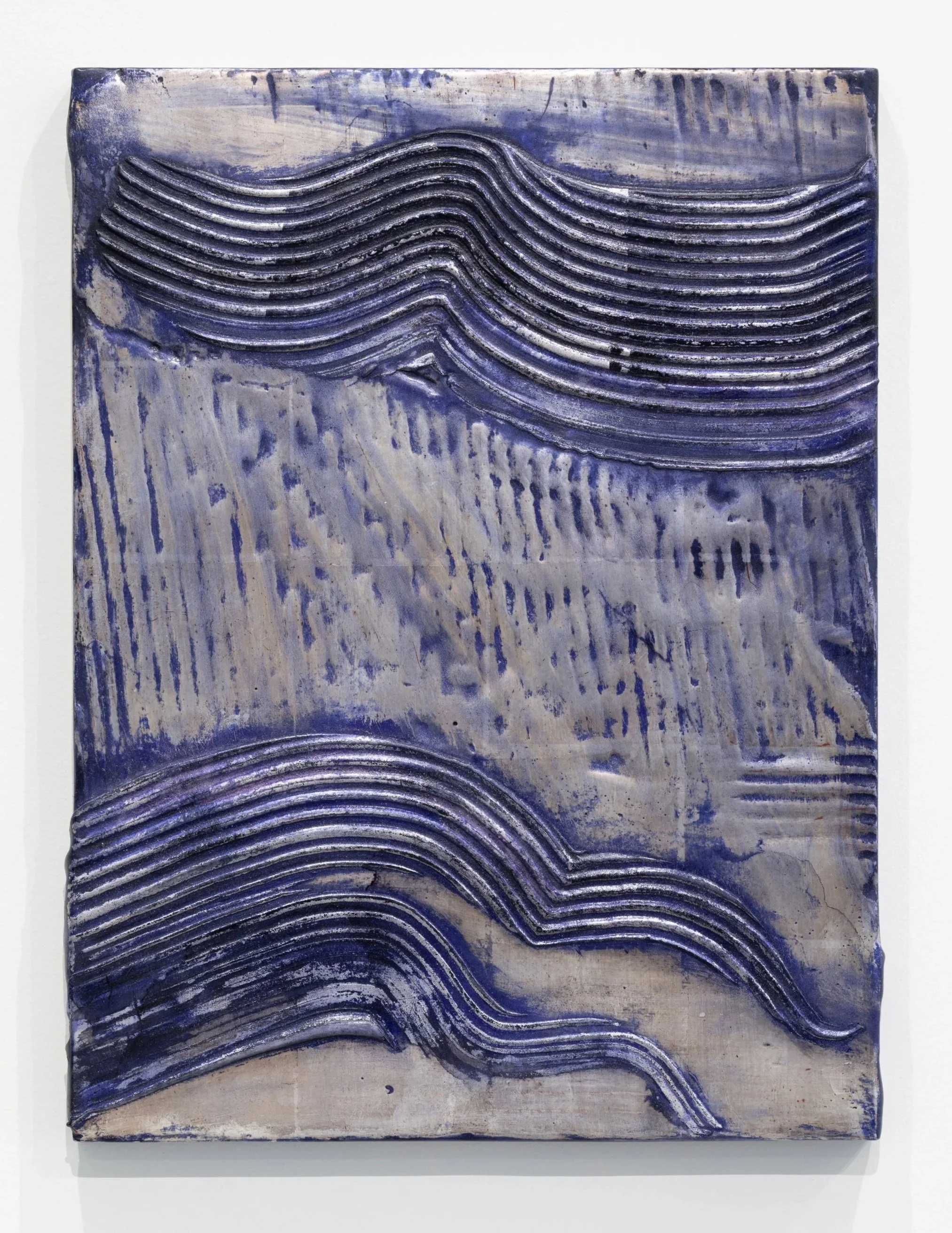
Silver Light, 2024
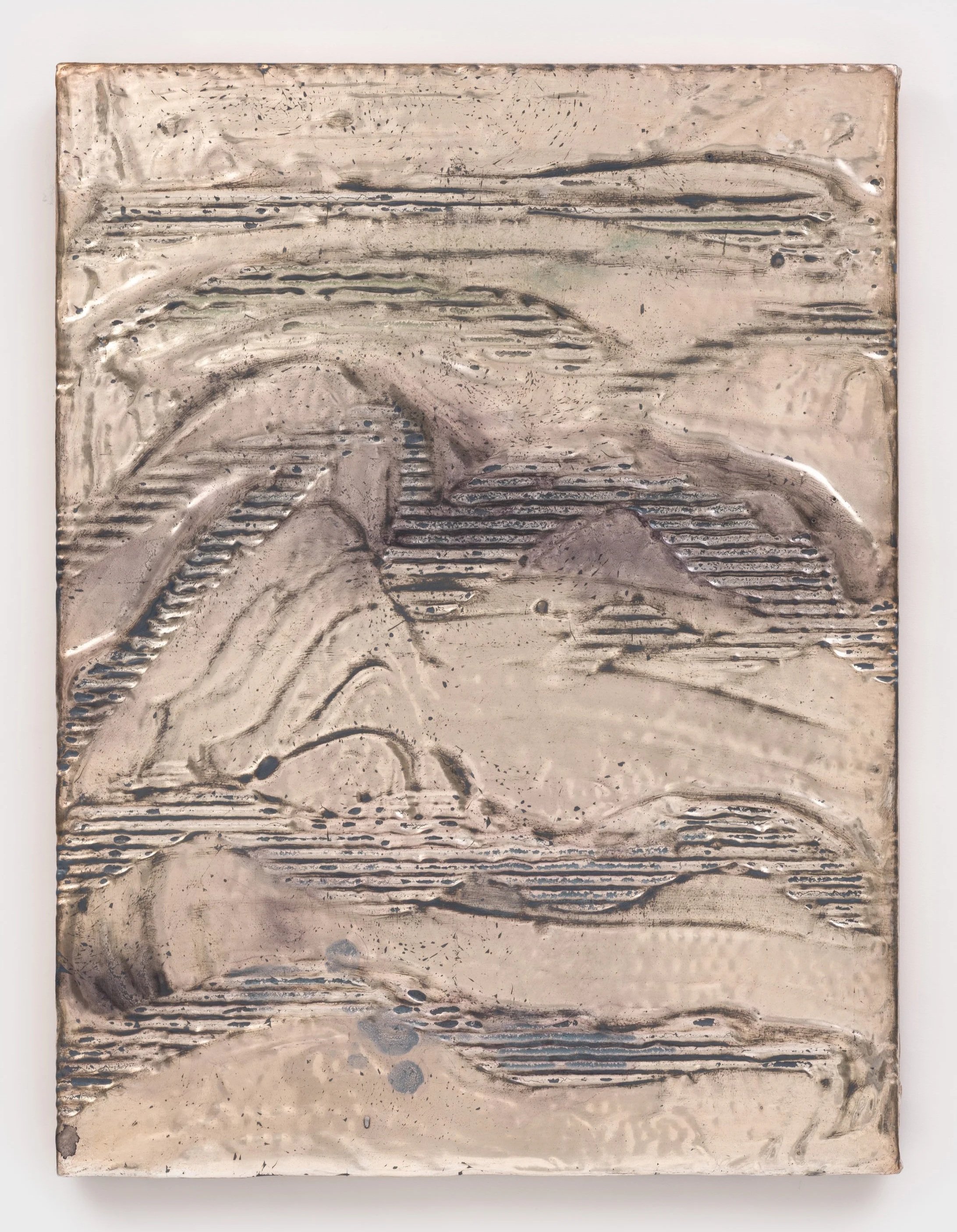
Silver Mountains, 2024
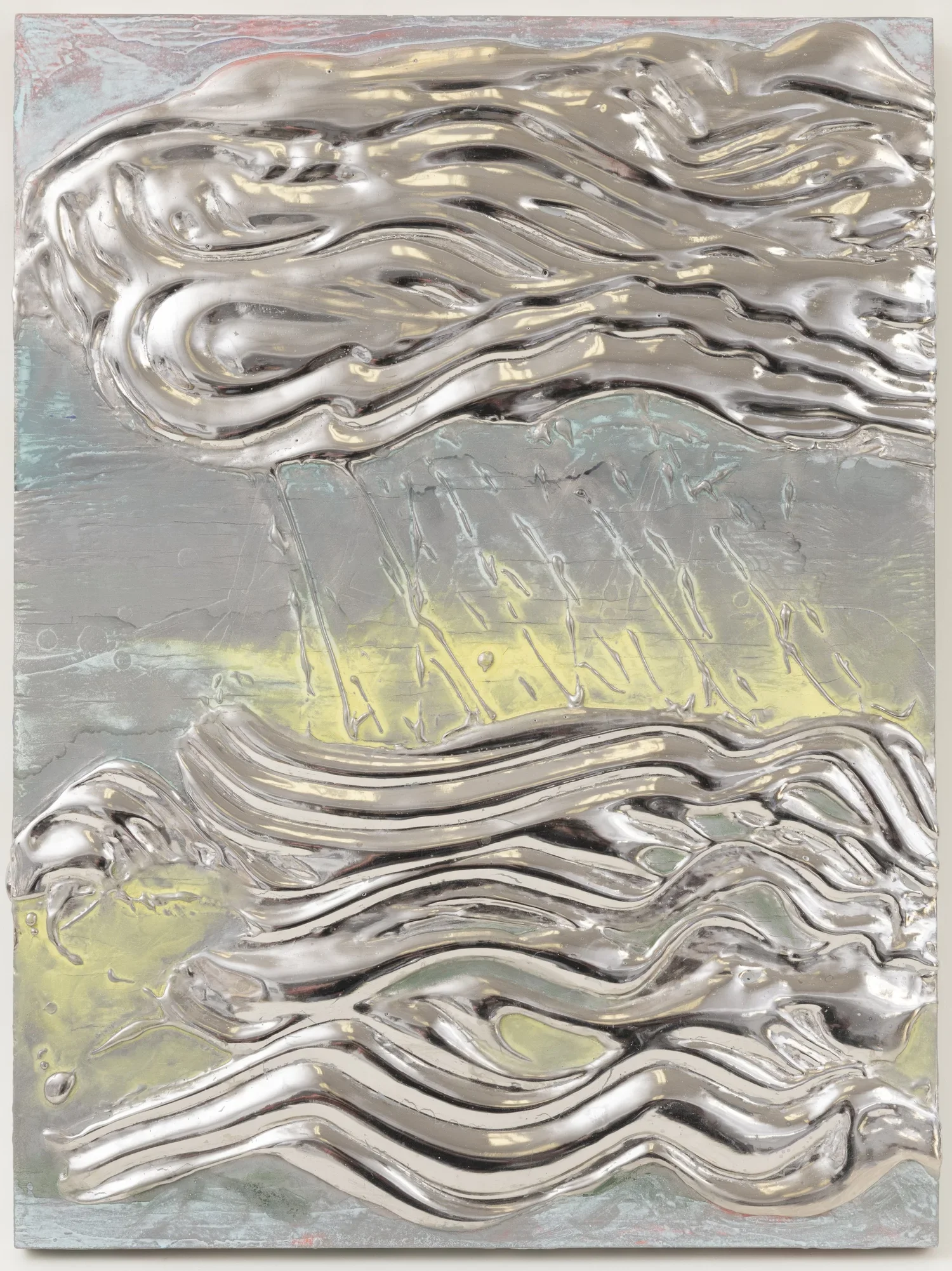
Palladium Cloud, 2023
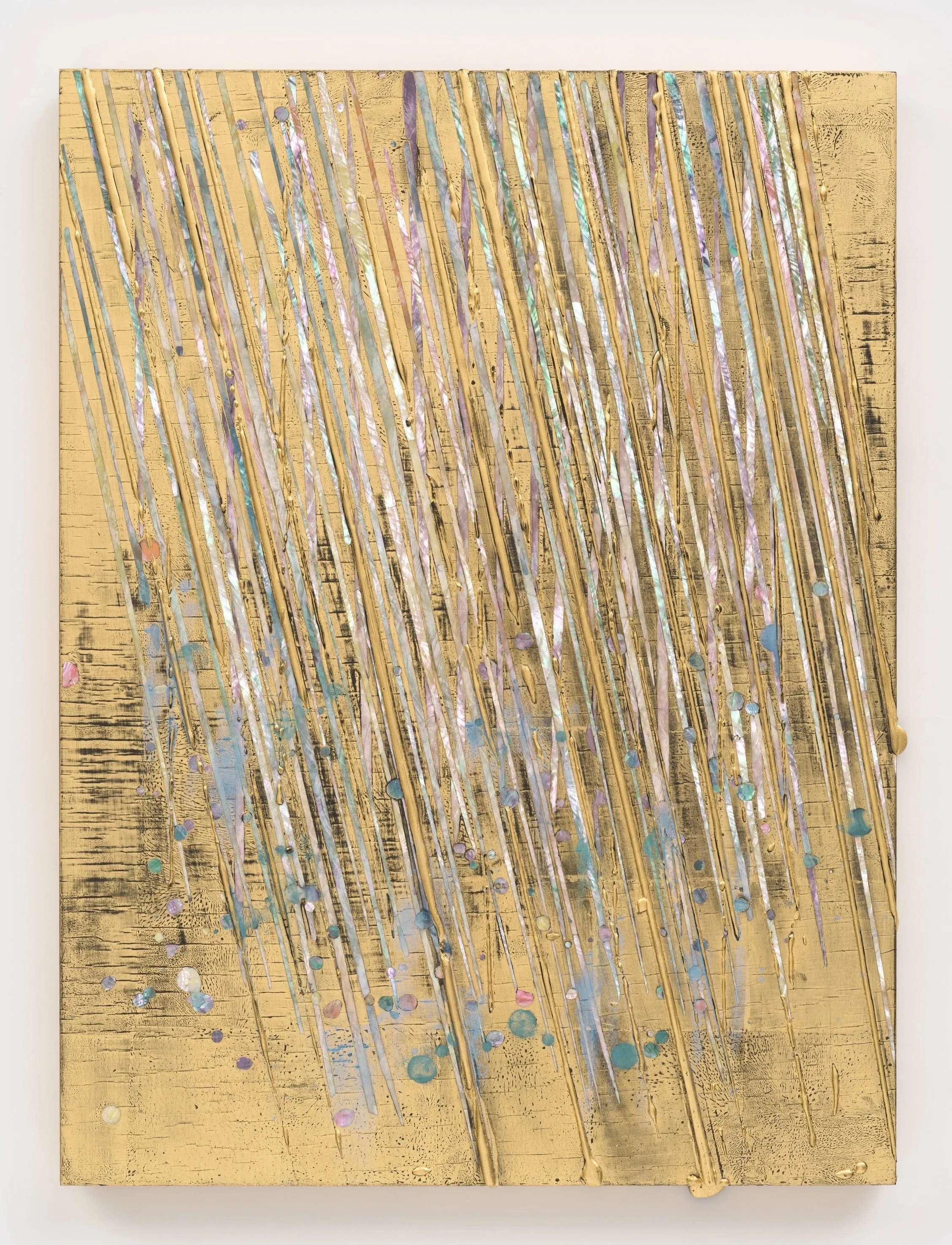
Rain, 2025
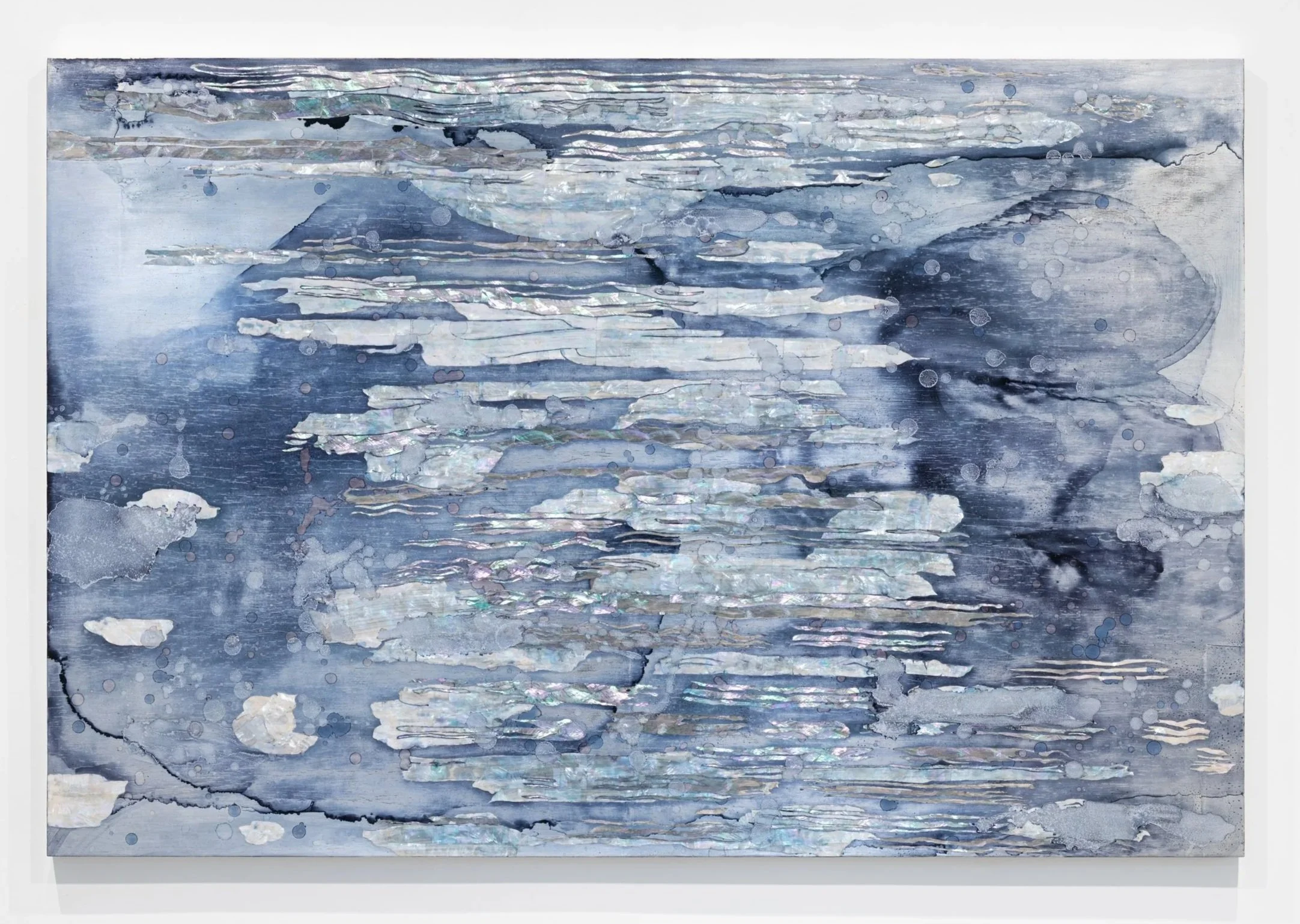
Moonlight, 2023
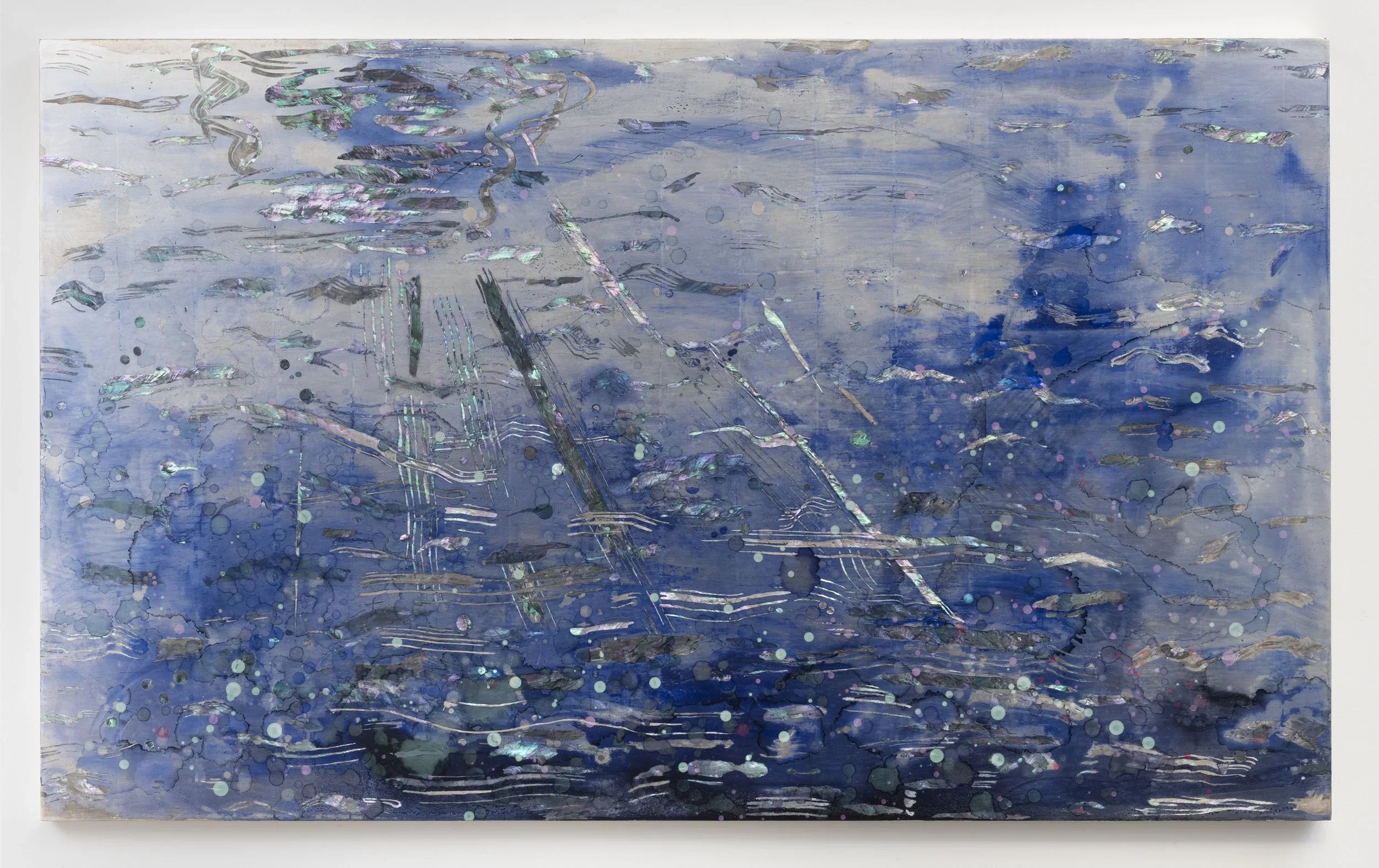
Lines of Light, 2024
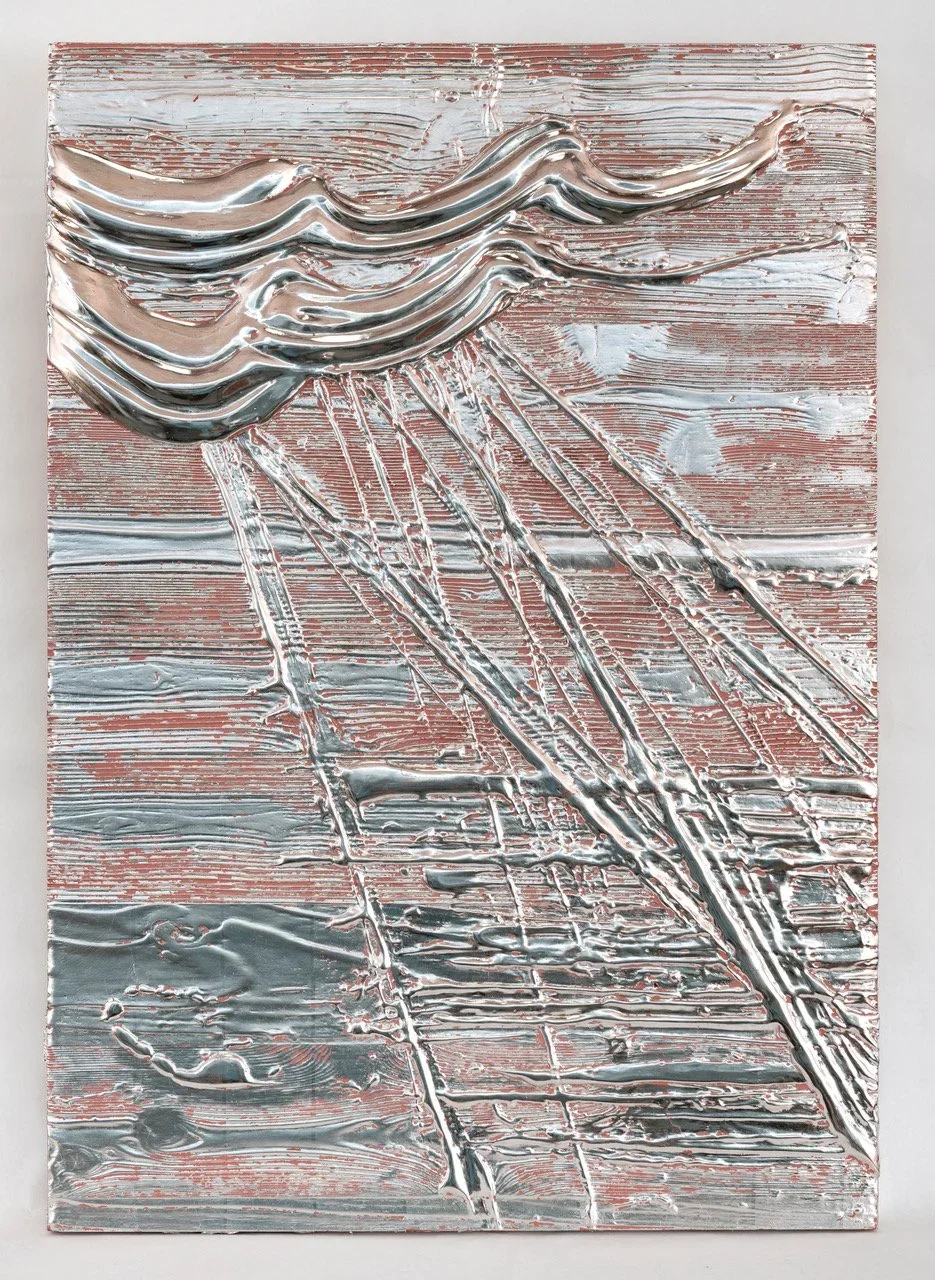
Palladium Light and Clouds, 2021
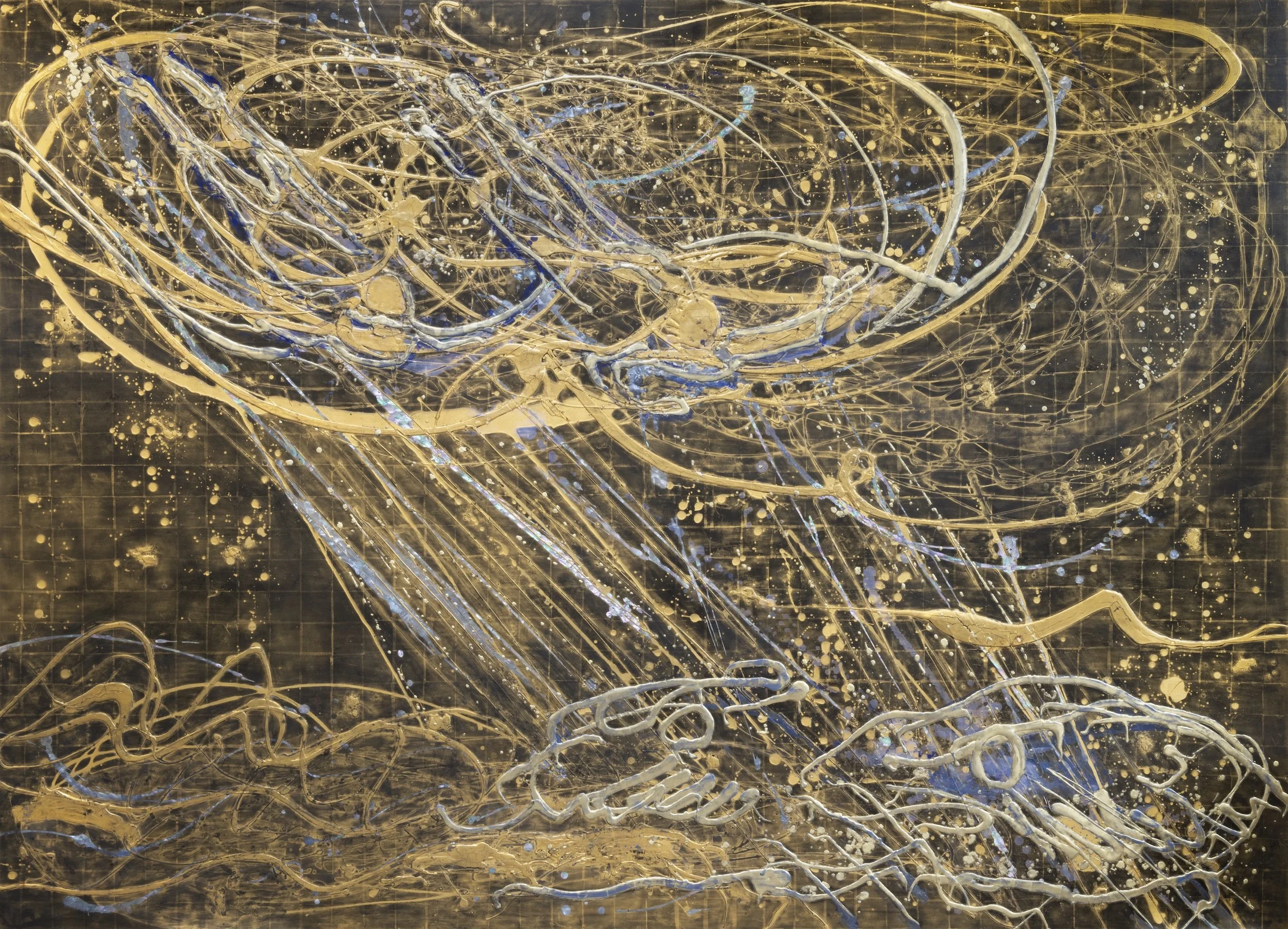
Flight, 2021
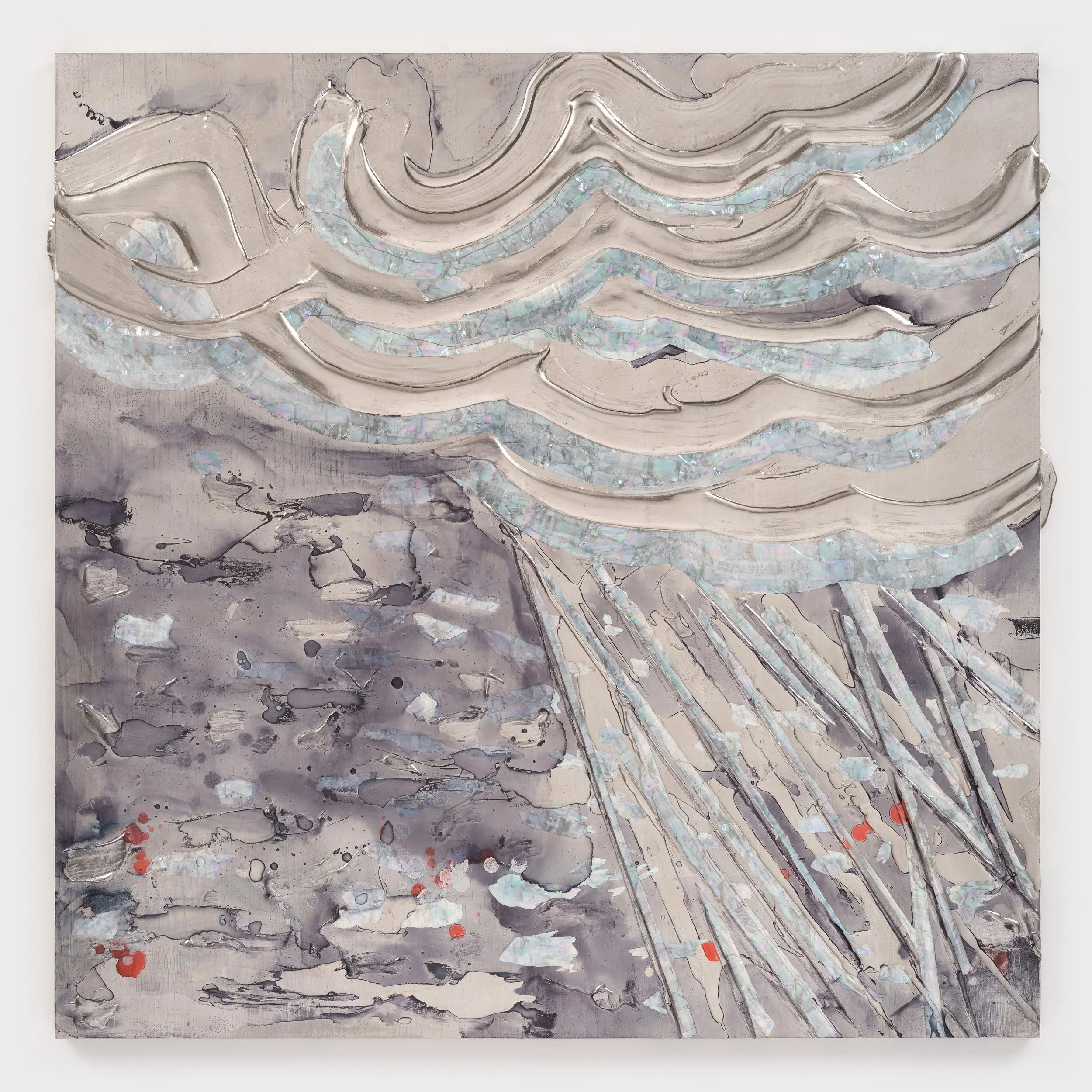
Sea and Sky, 2025
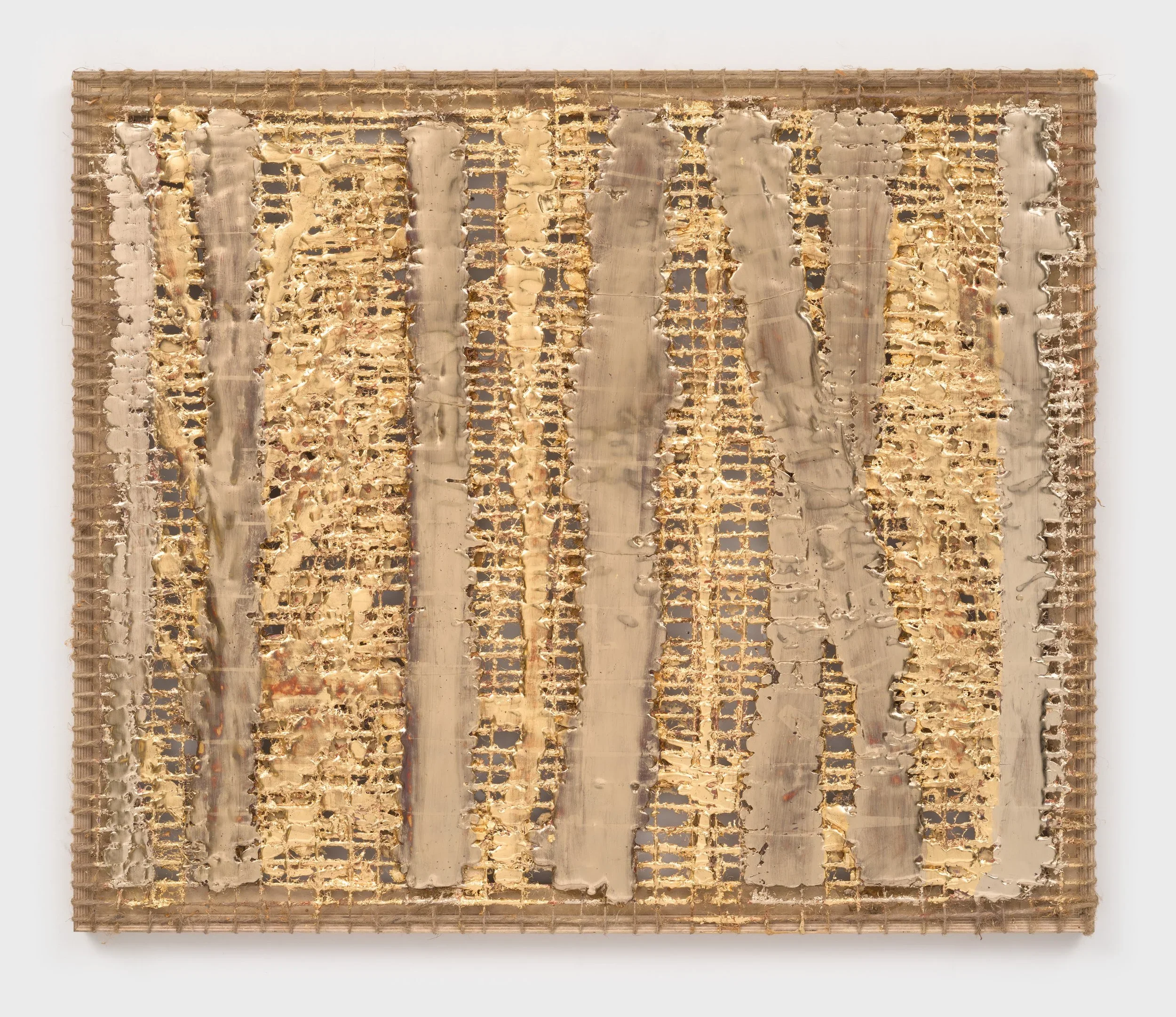
Wood Interior, 2025
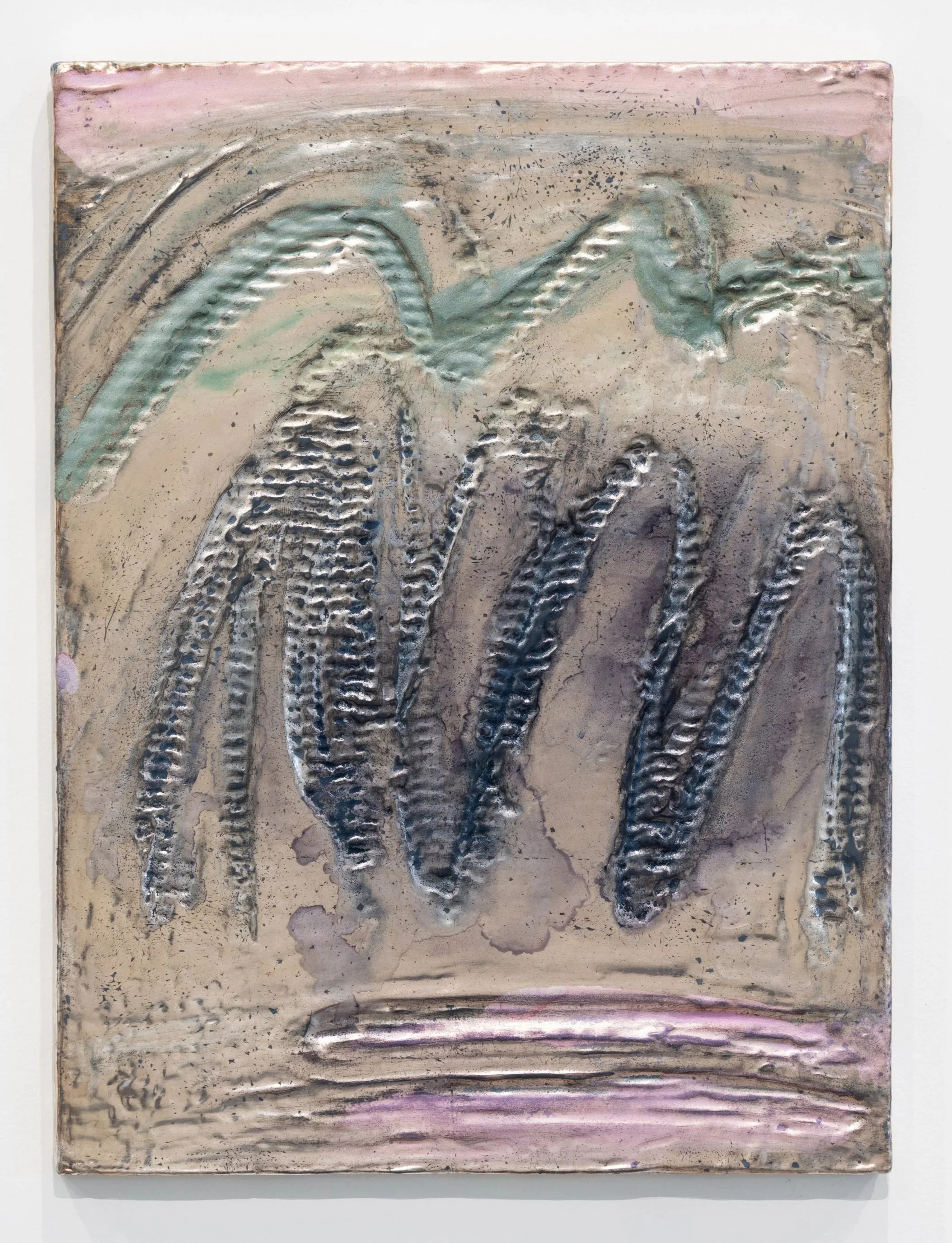
Silver Mountains, 2024
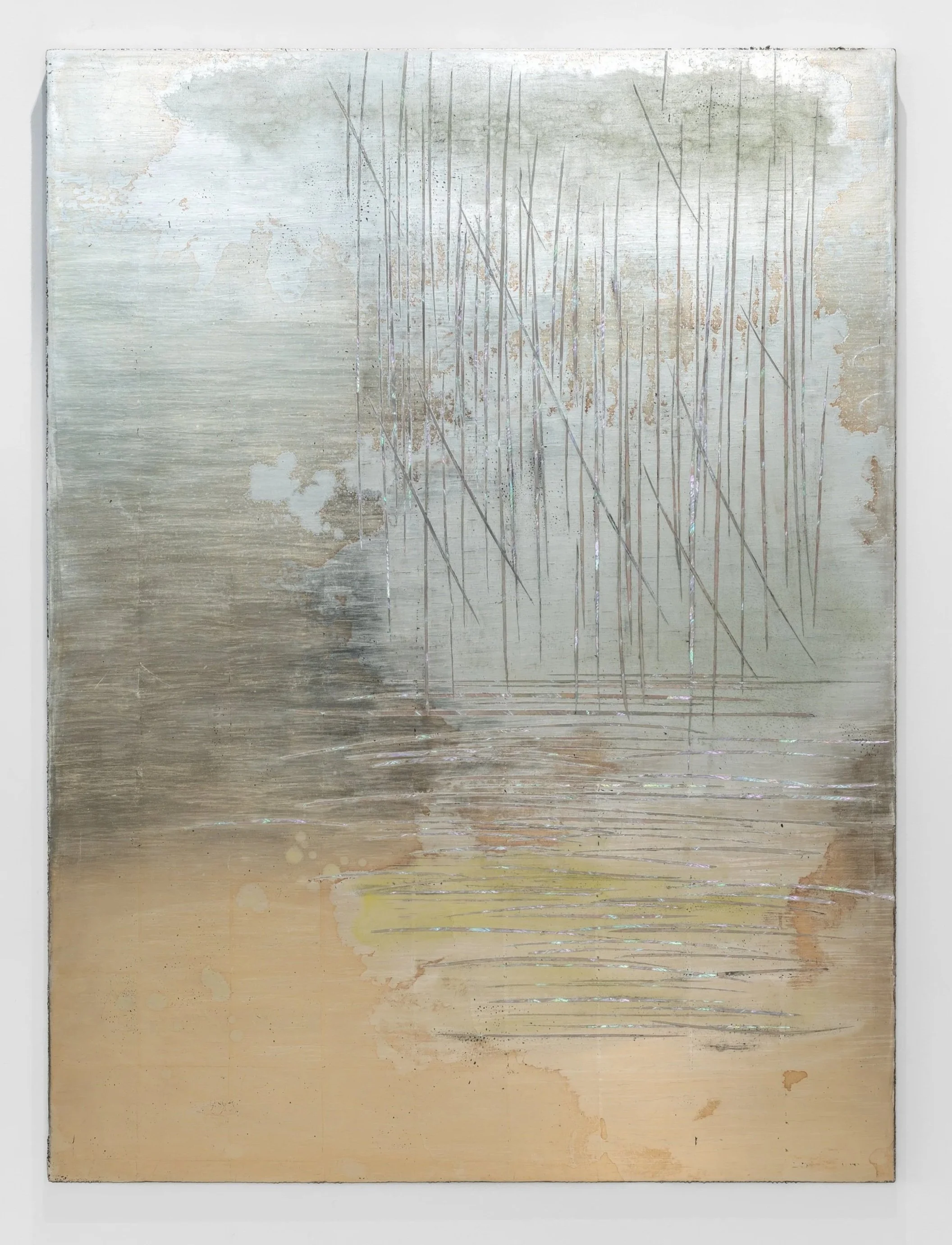
Rain, 2024
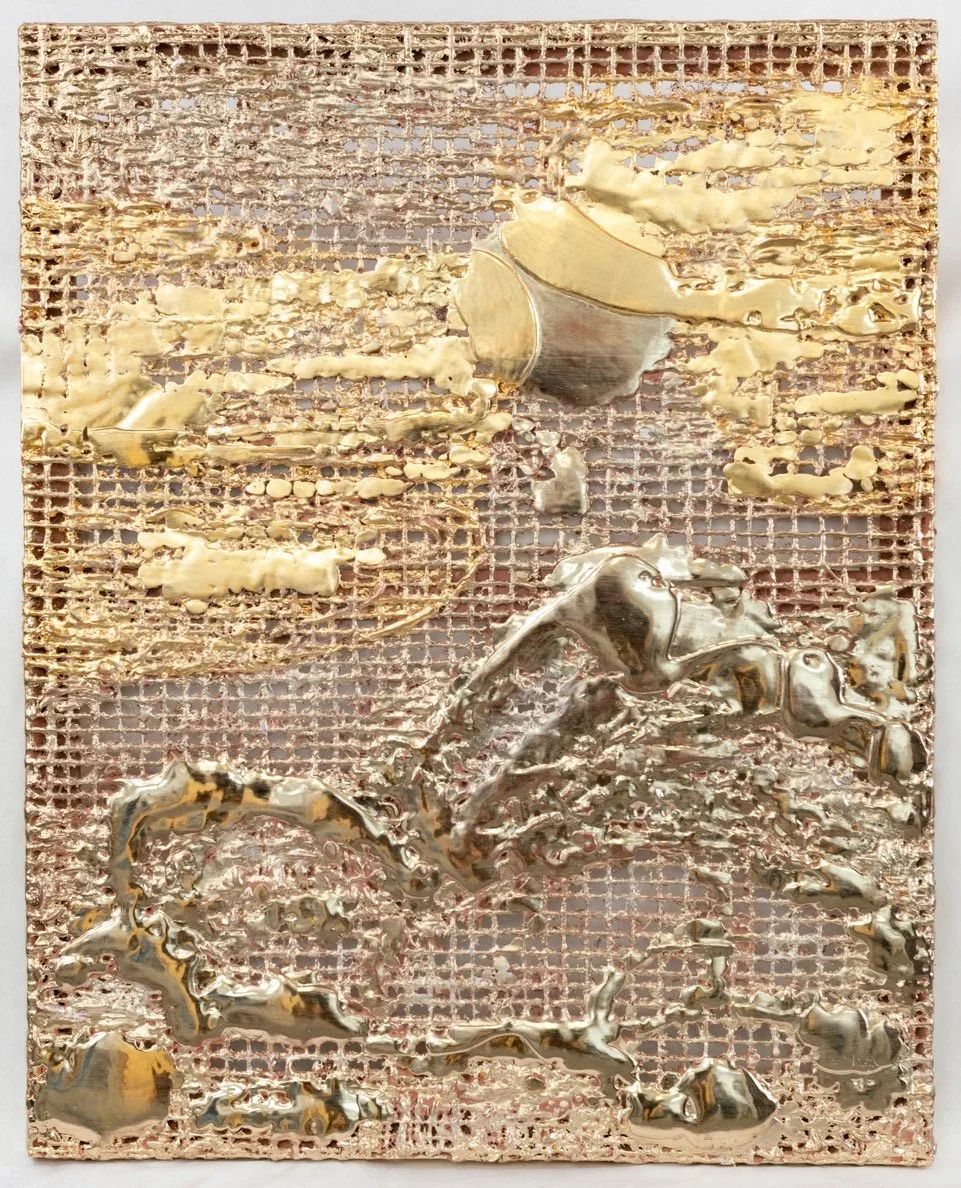
Moon Gold, 2021
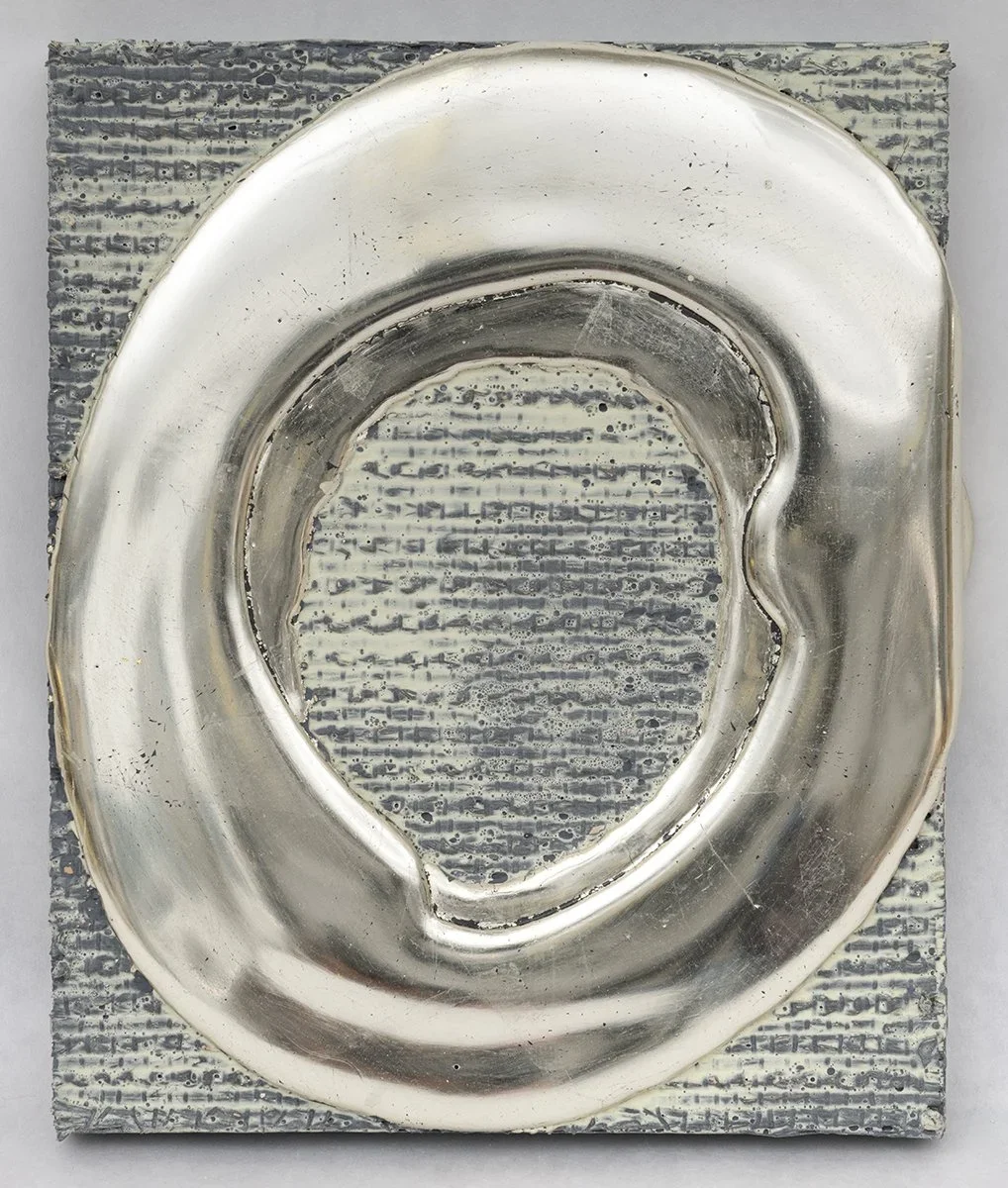
White Gold on Grasscloth, 2020
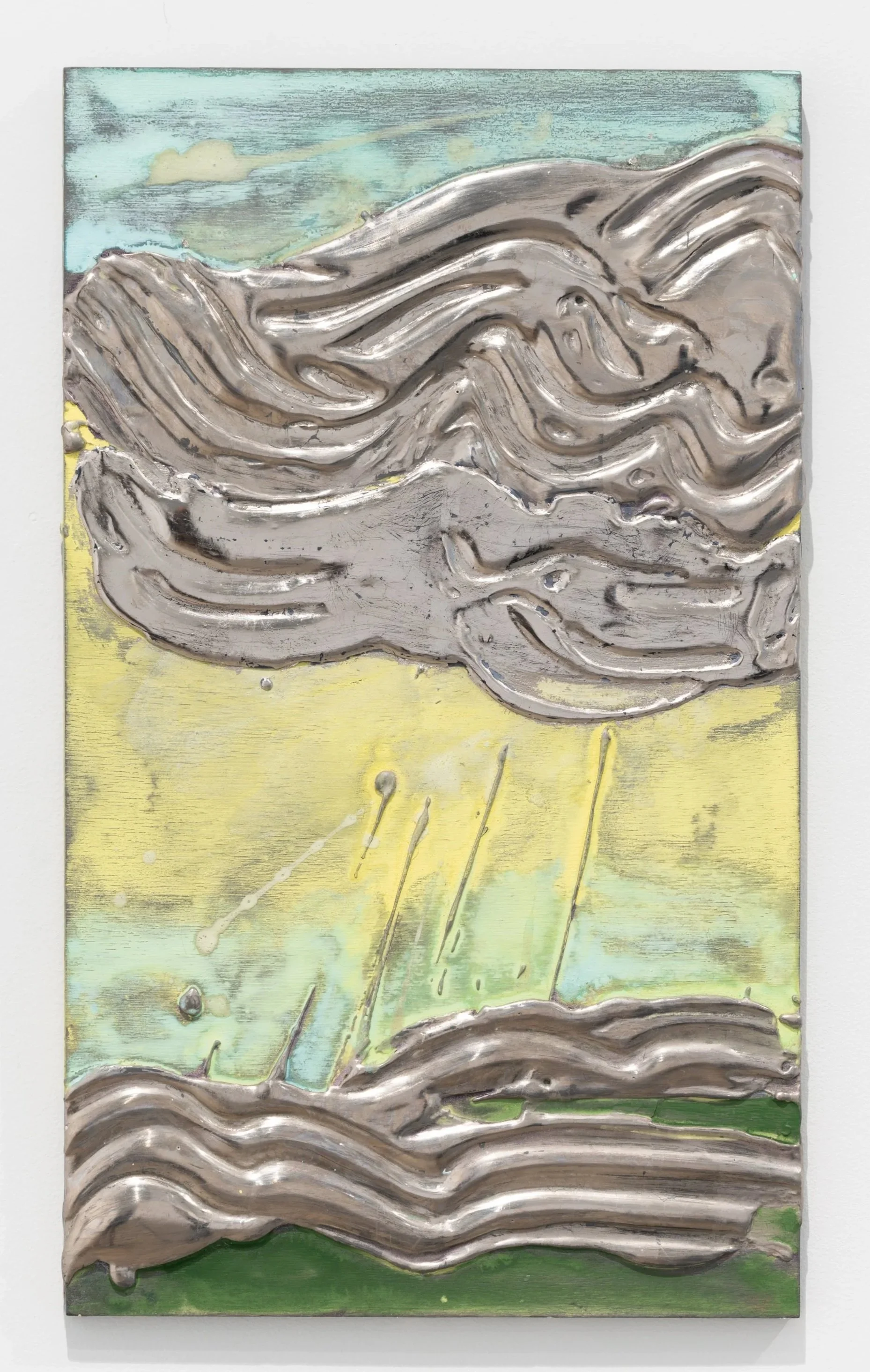
Palladium Cloud, 2024
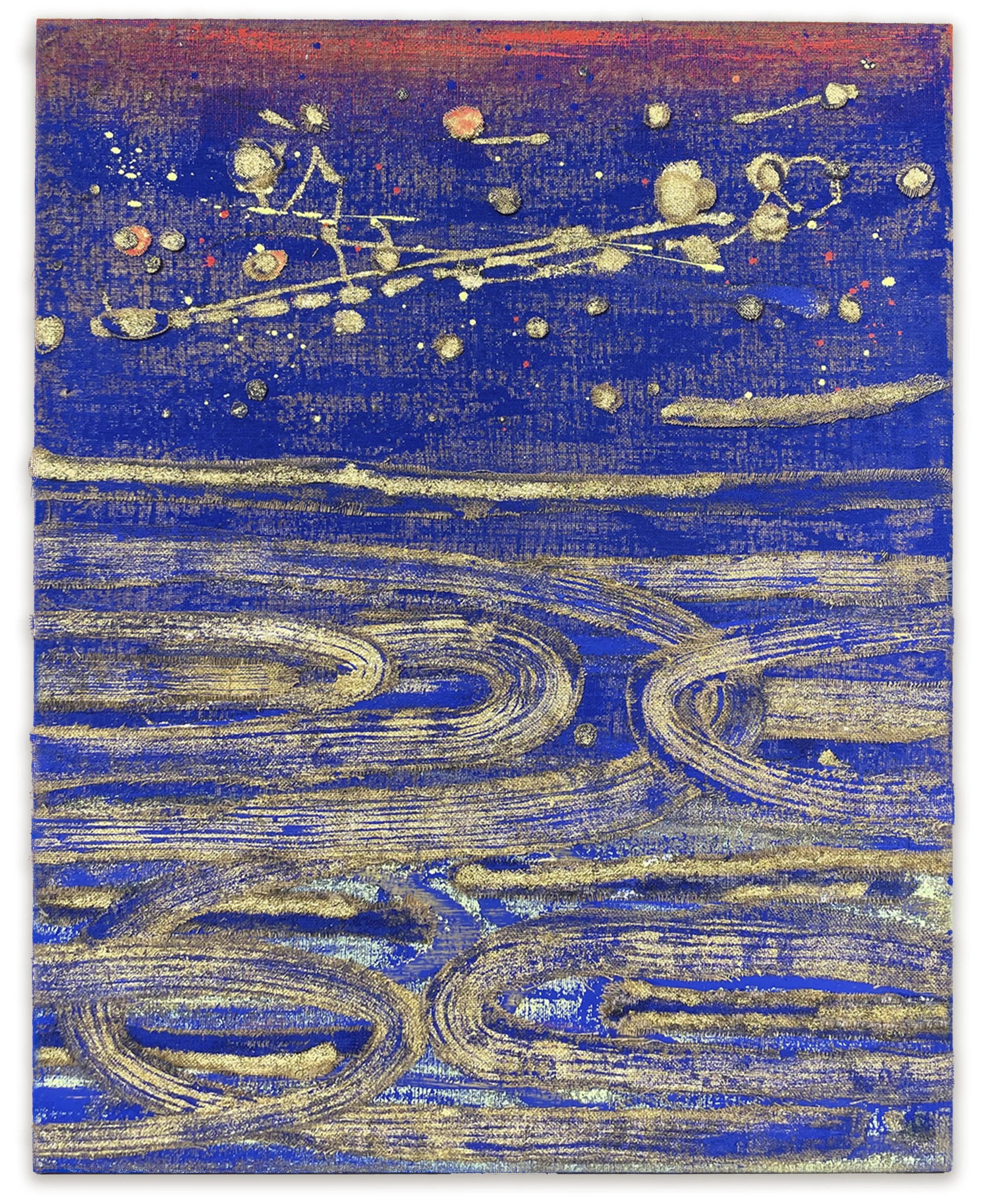
Sea and Sky, 2023
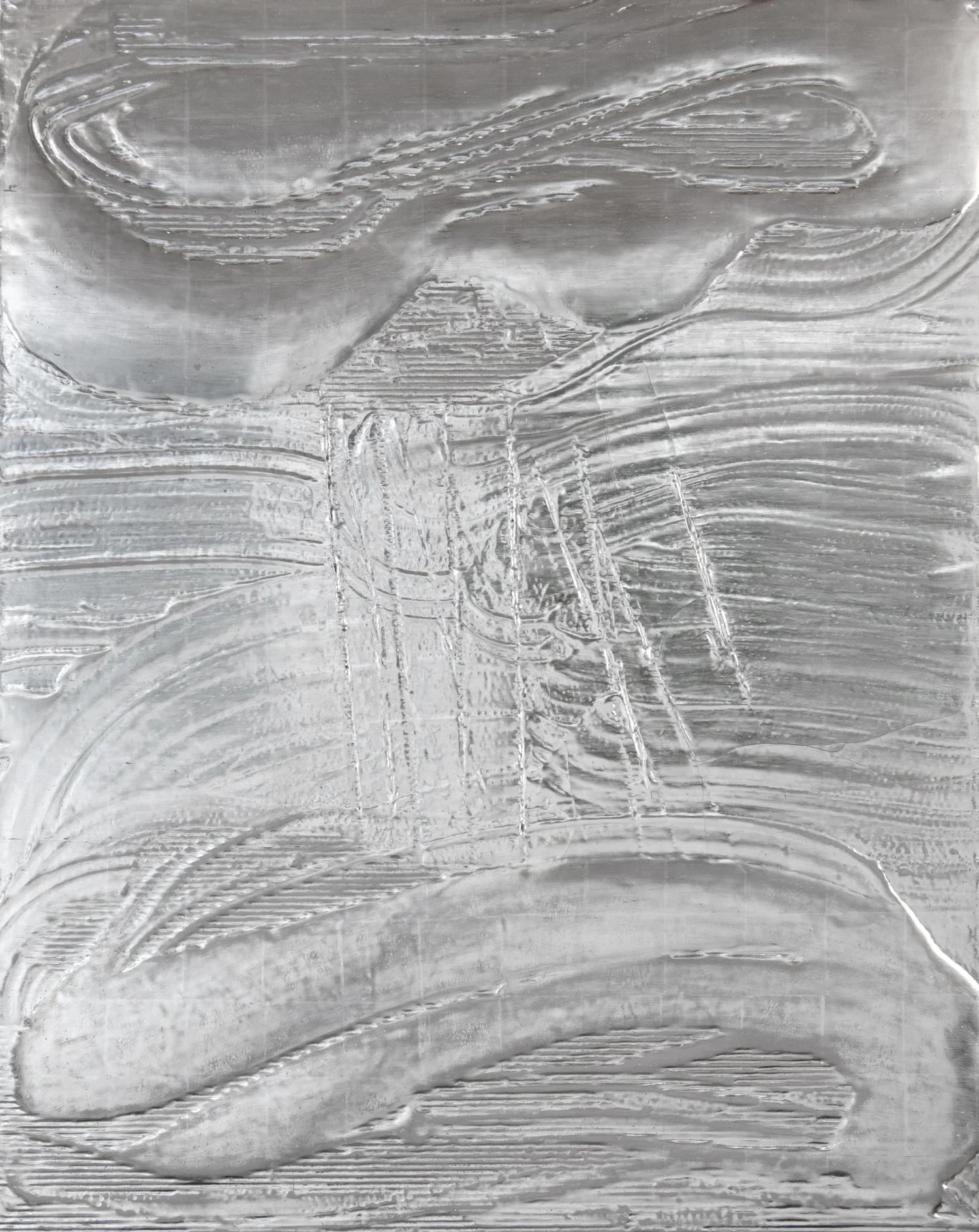
White Gold Cloud, 2023
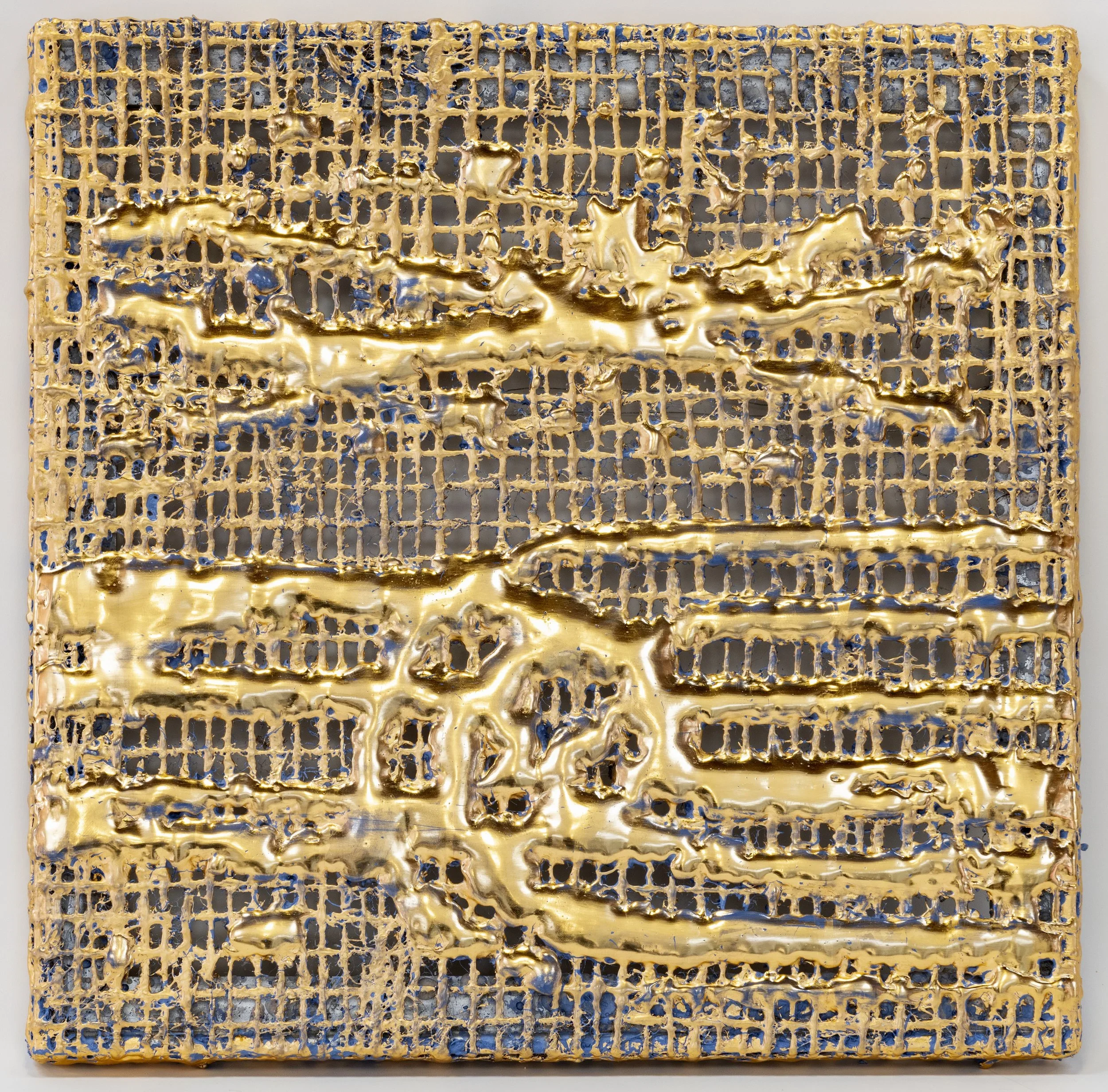
Sea and Sky, 2023
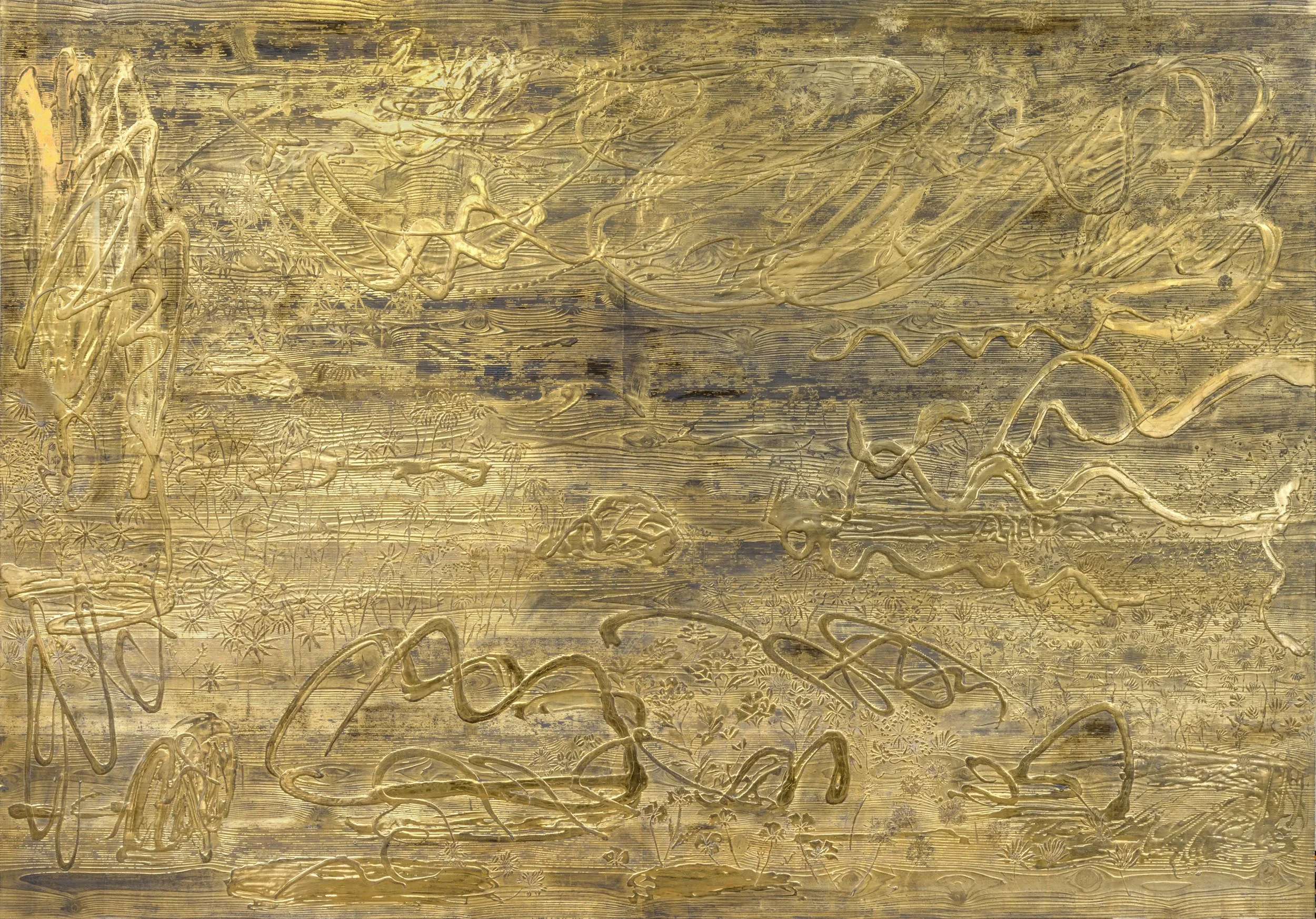
Field, 2018
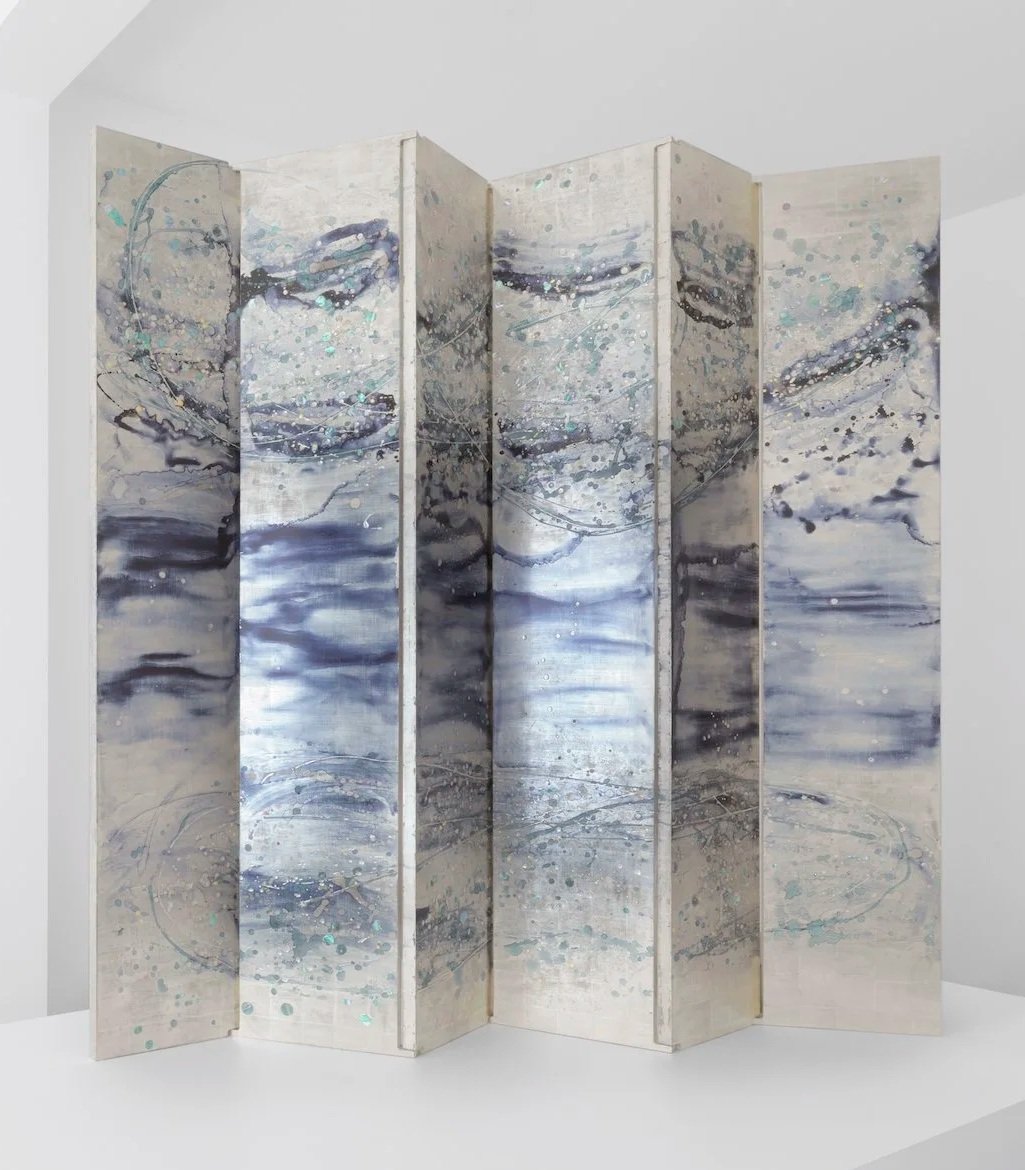
Night Sky Screen, 2016
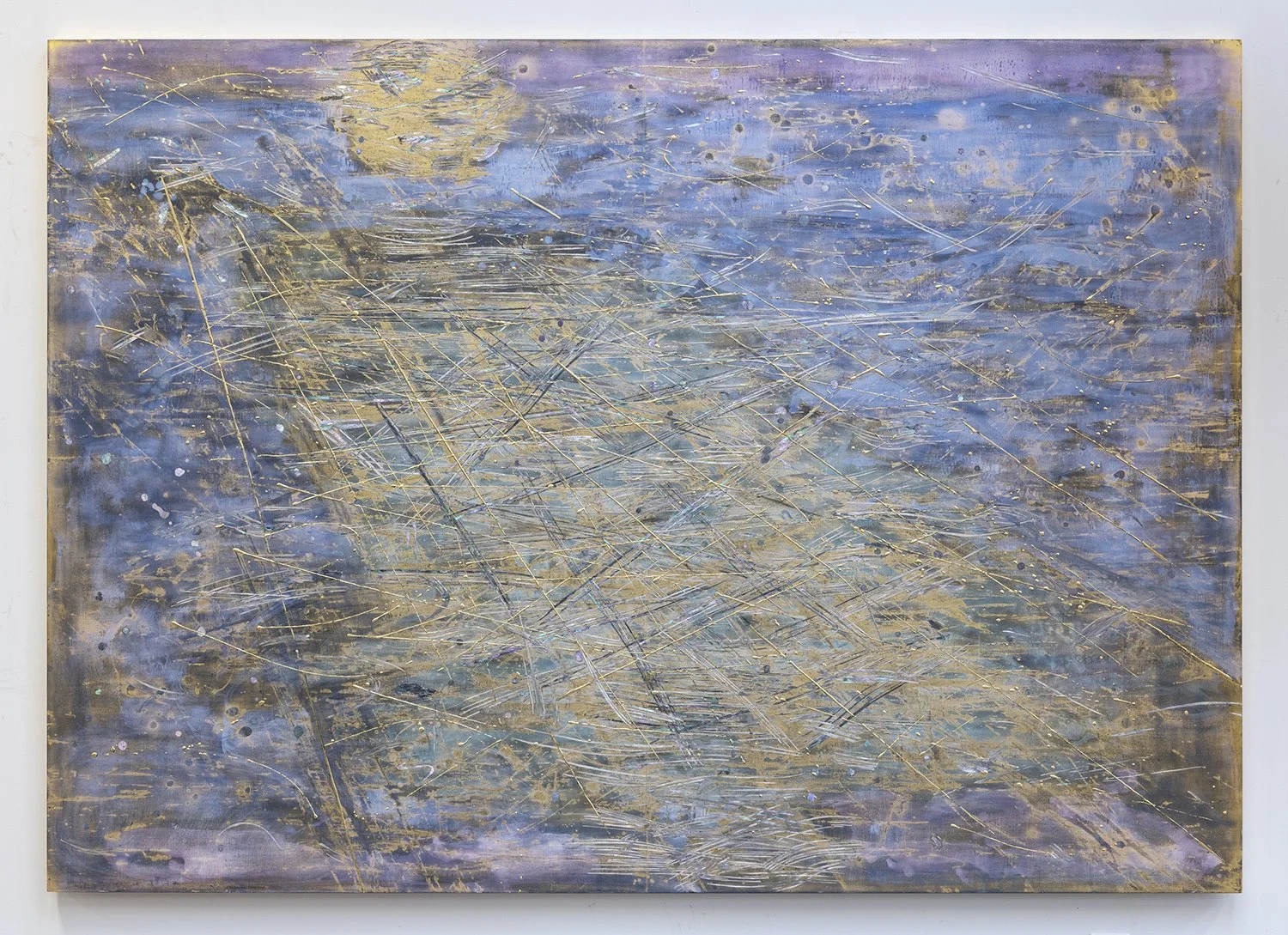
Early Moon, 2023
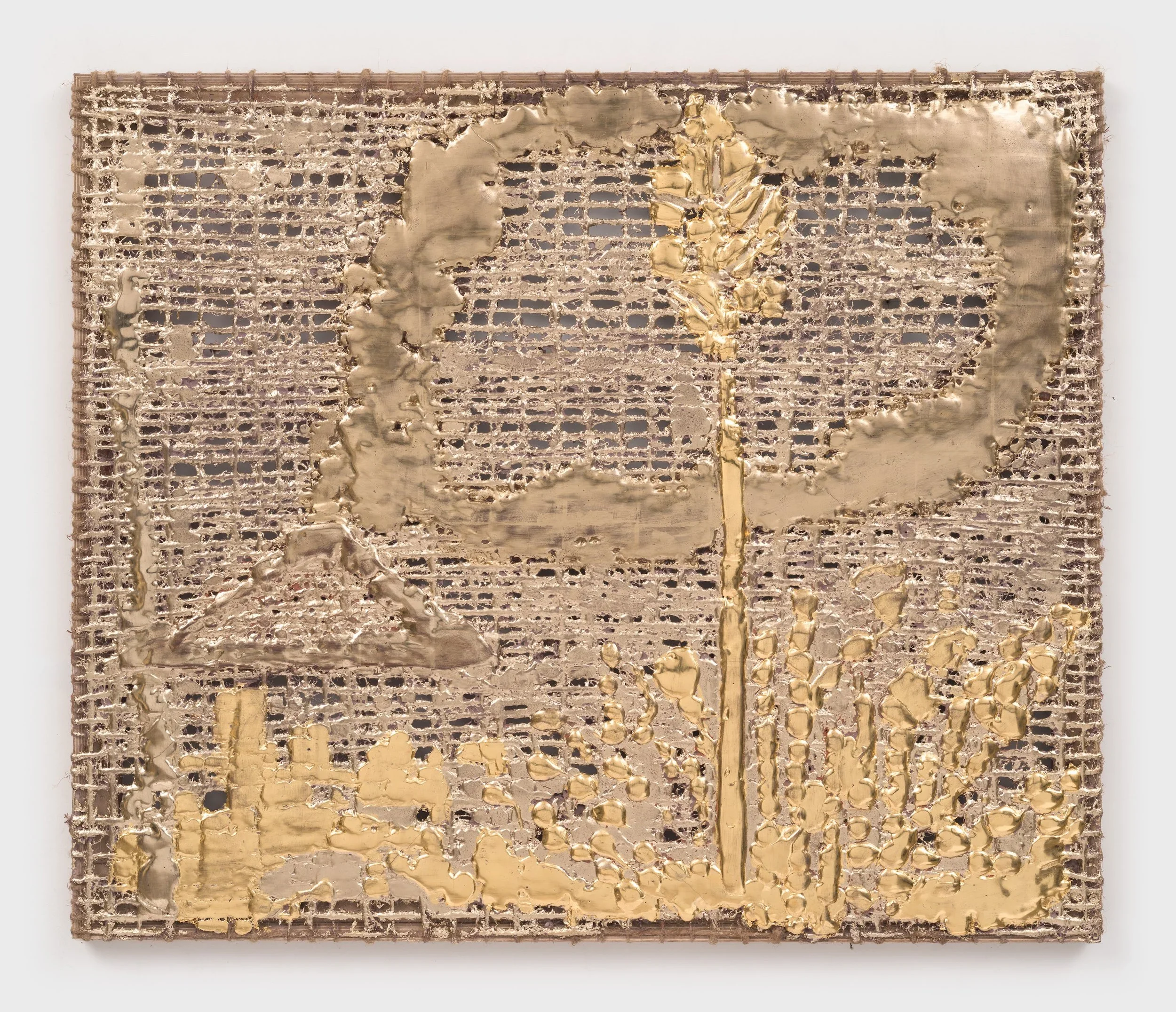
A Century Plant in Bloom, 2025
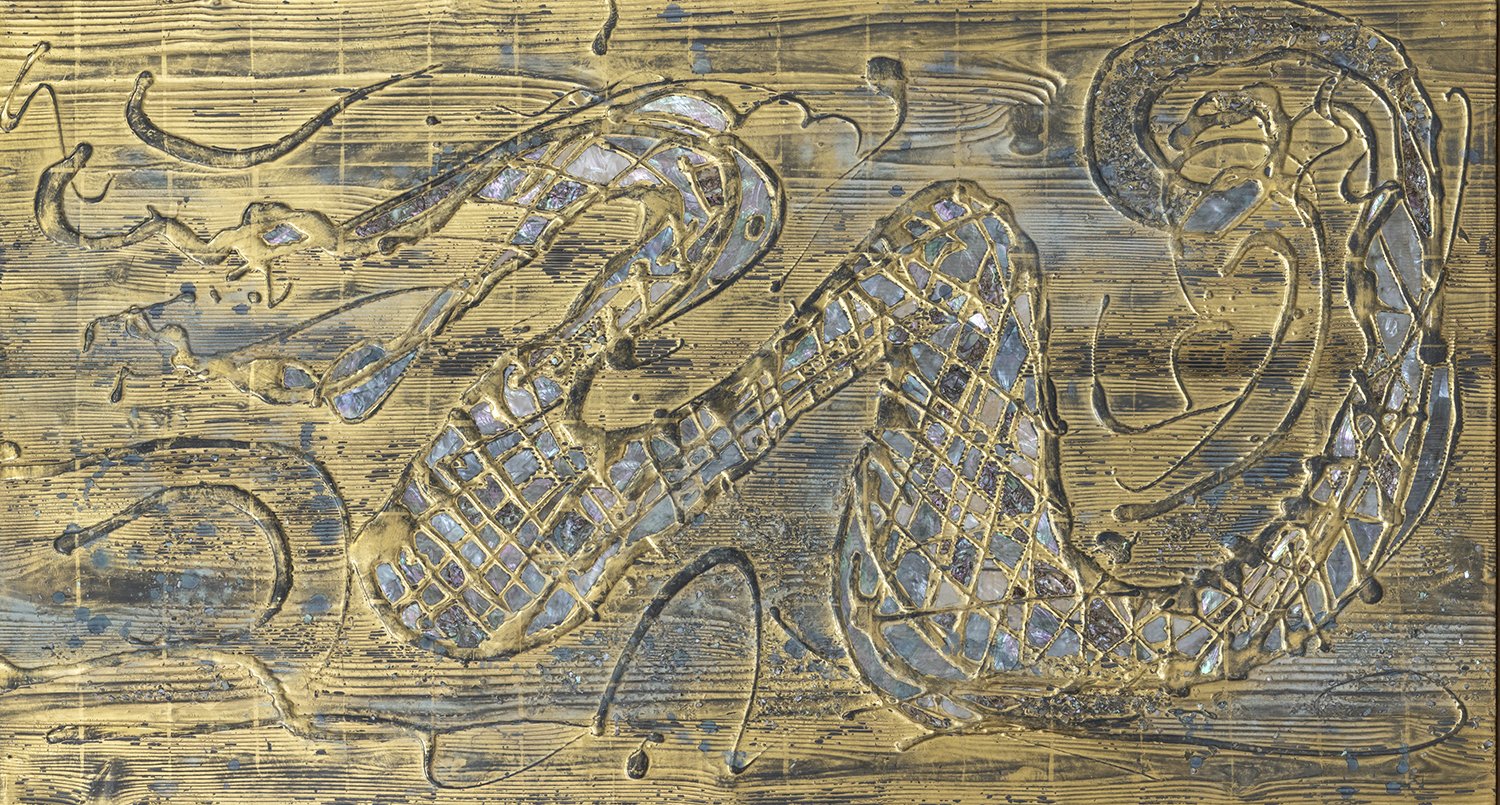
Dragon, 2023
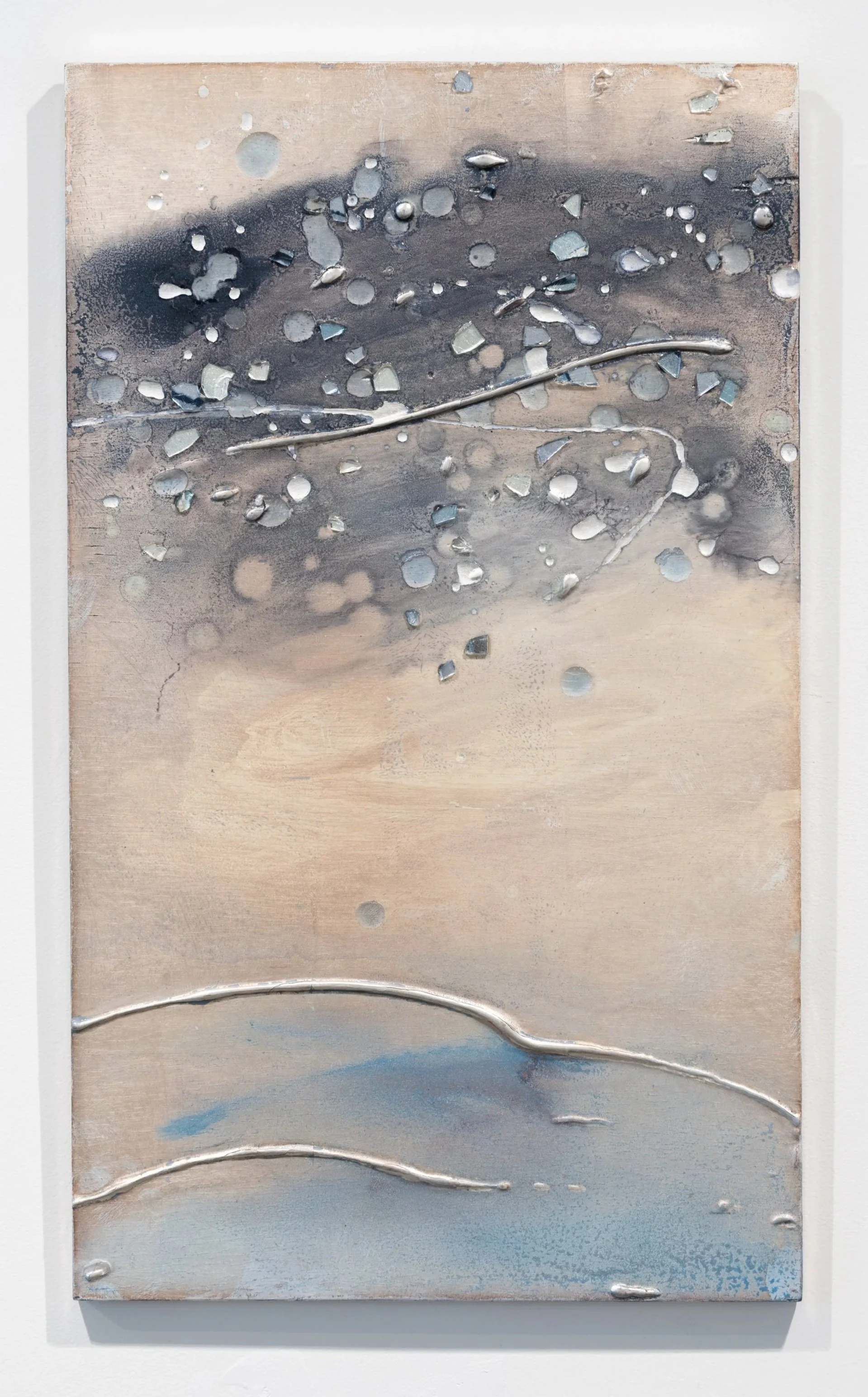
Starlight, 2024
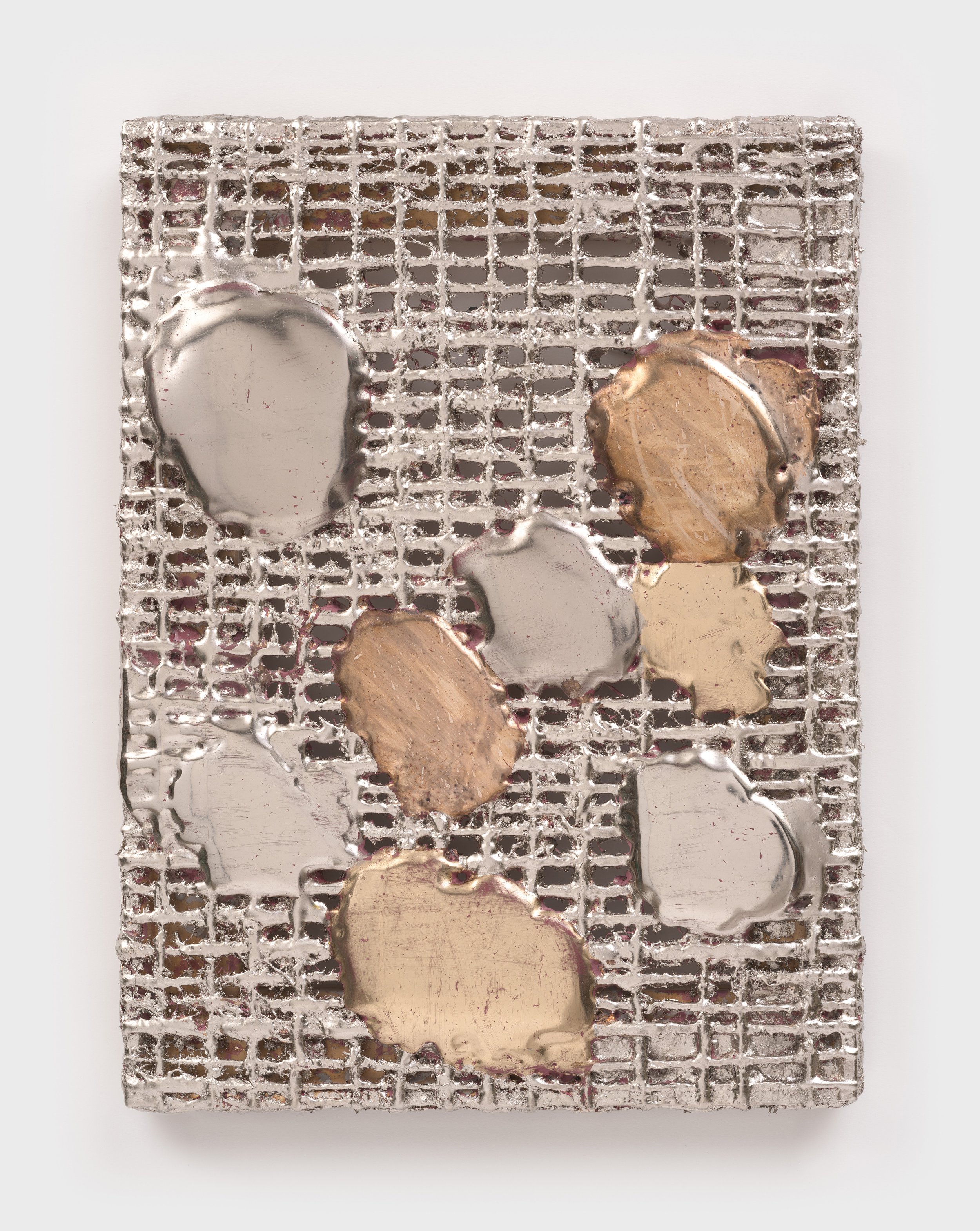
Dior Study
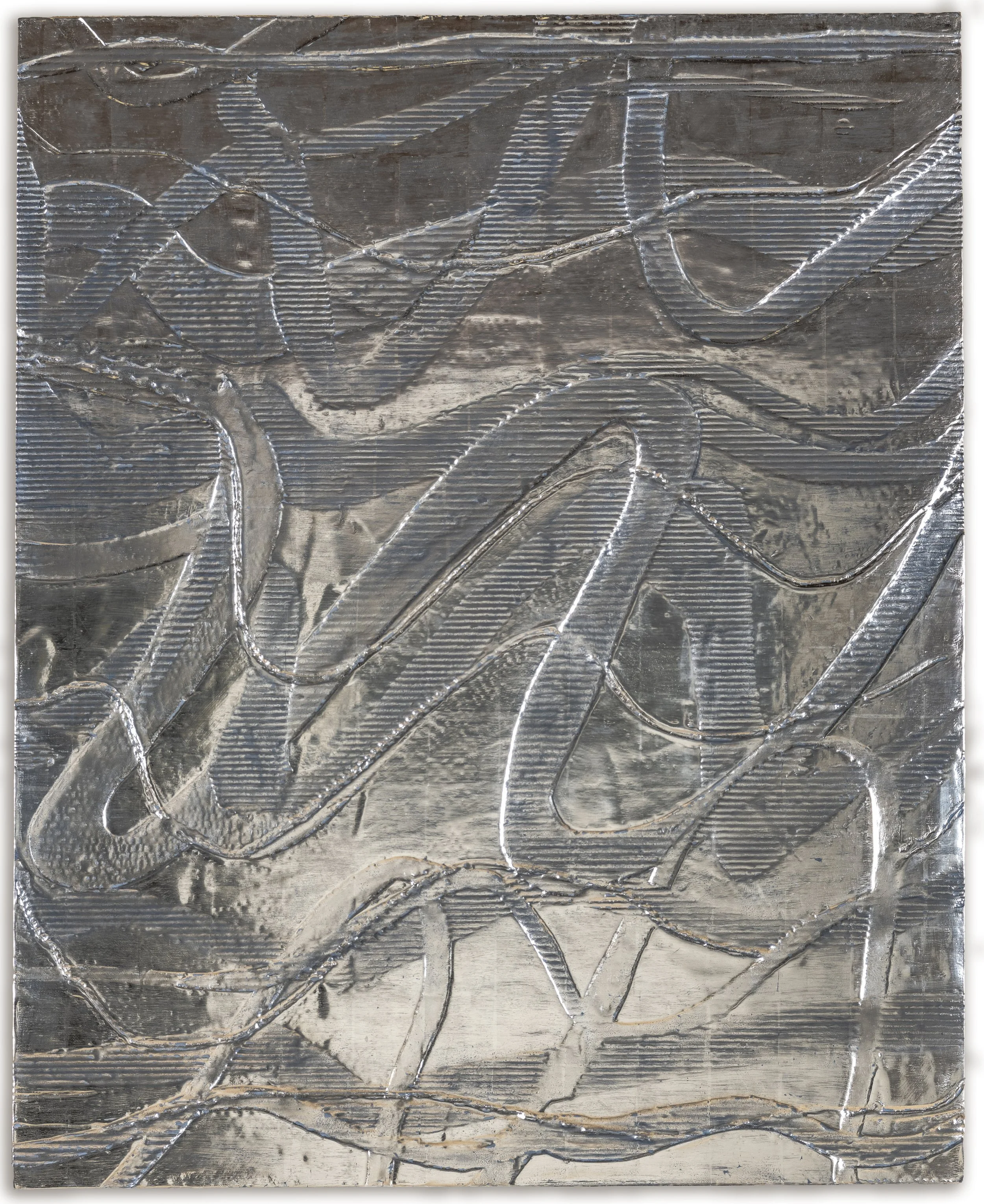
Palladium Calligraphy, 2023
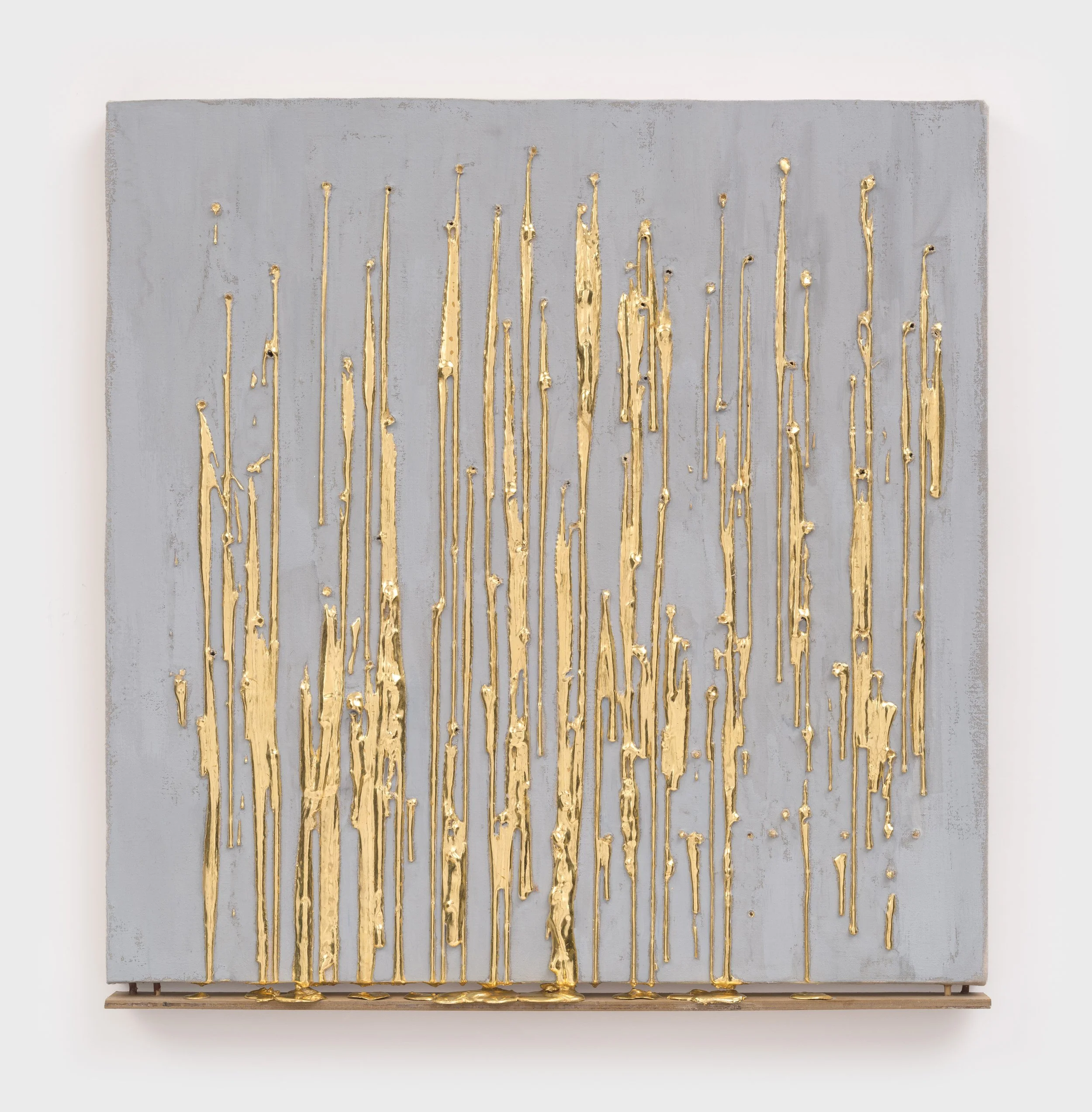
Honey (After Ruche d’Abeille by Sheila Hicks), 2022
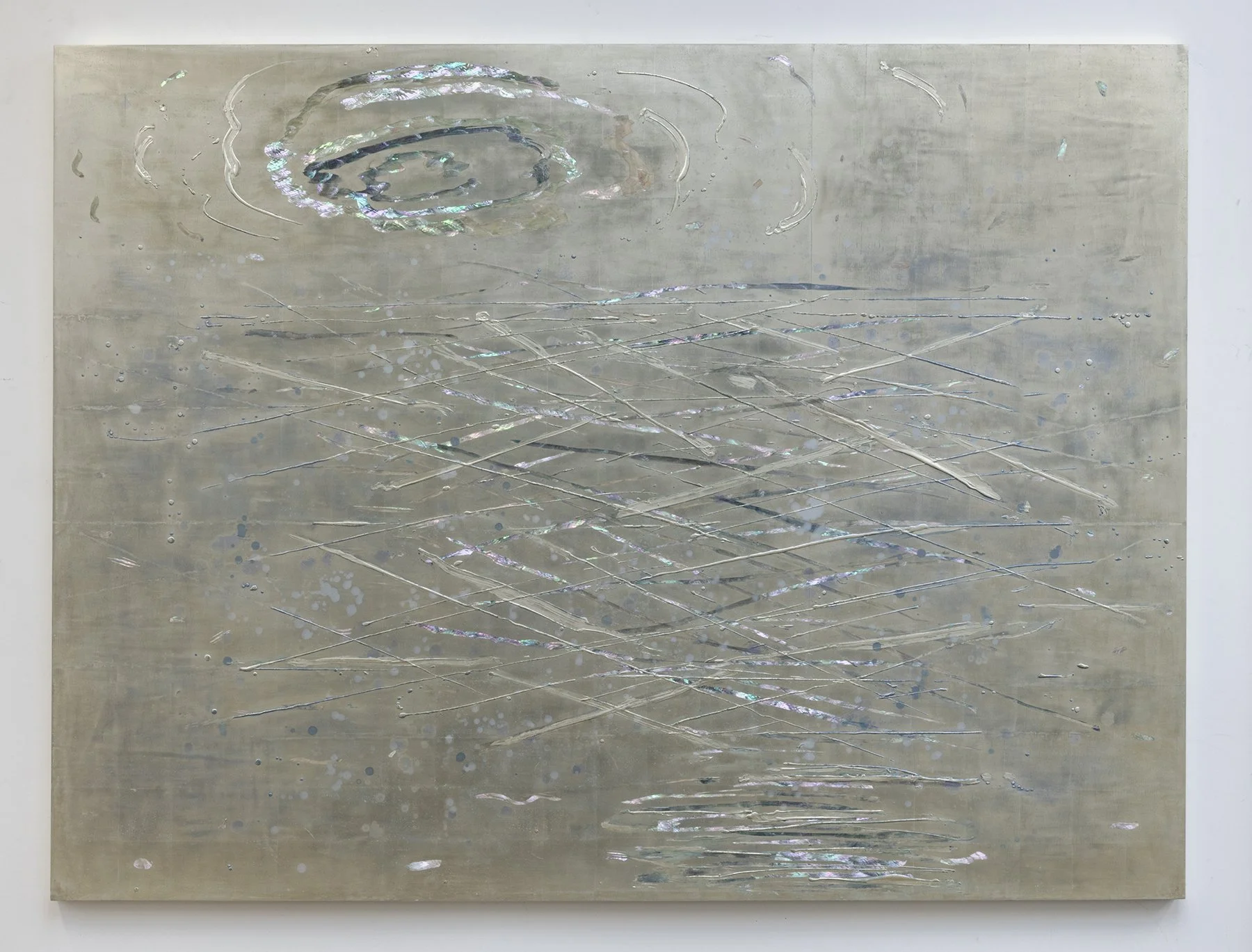
Floating Sun, 2023
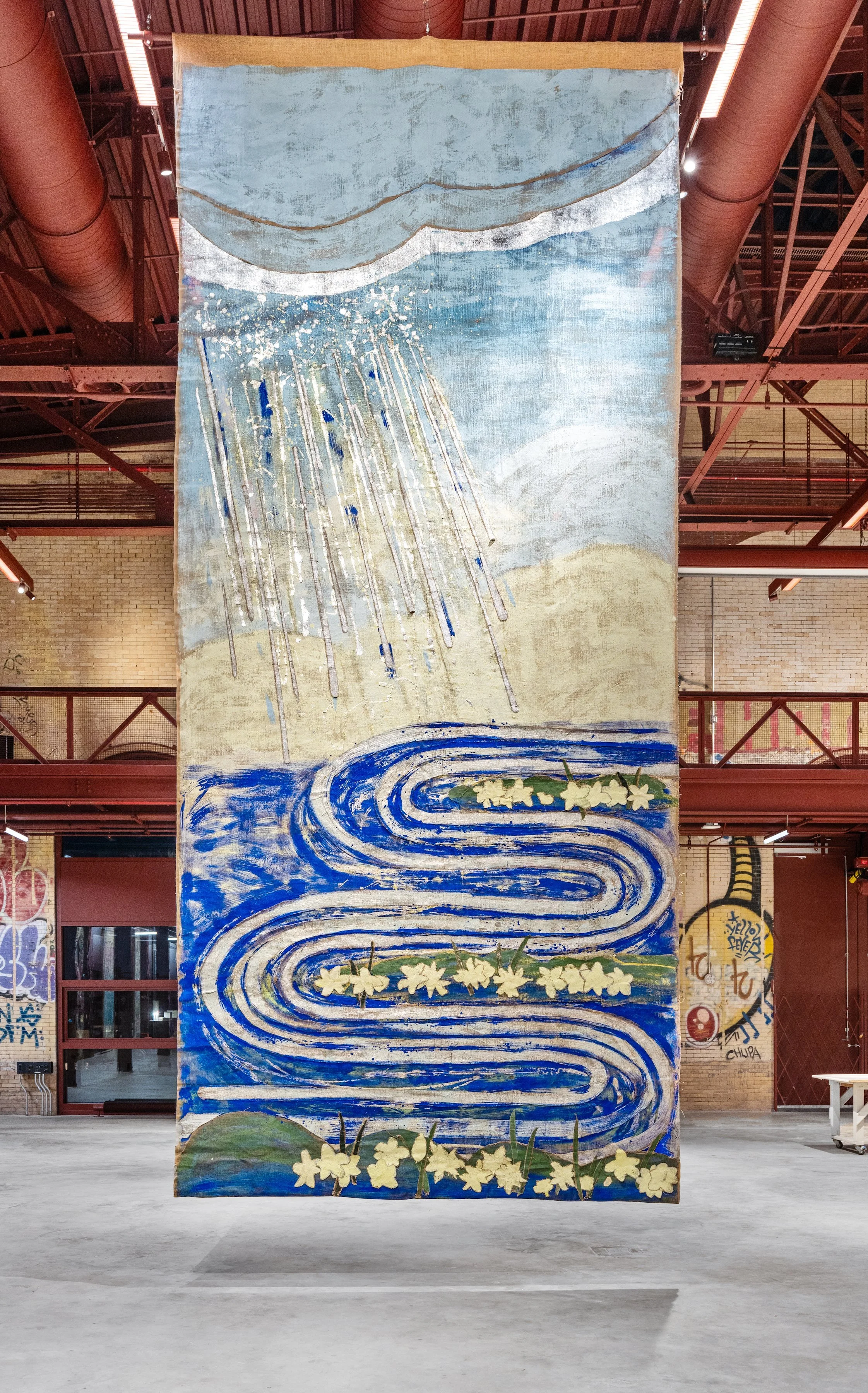
Rain, 2023
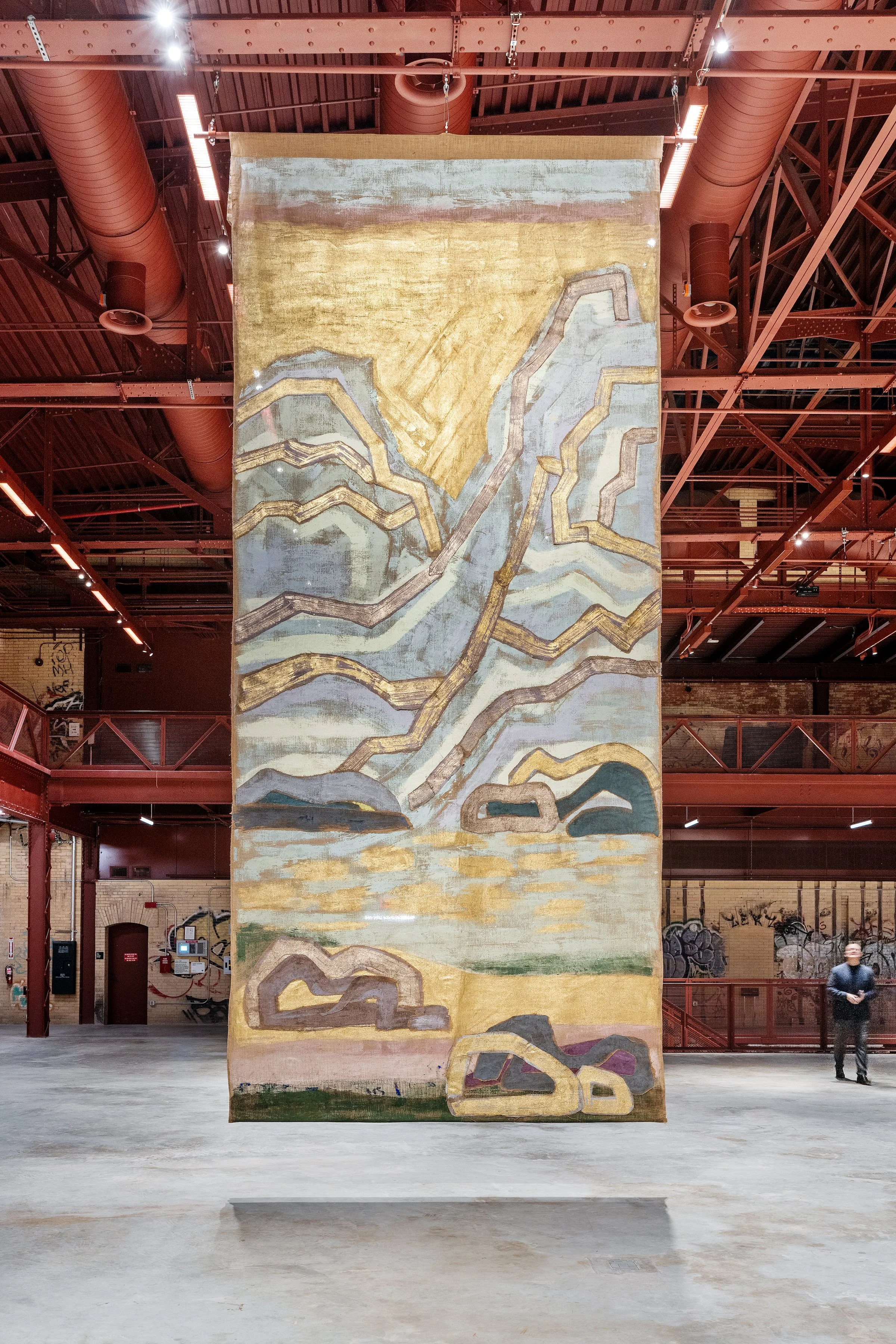
Mountain, 2023
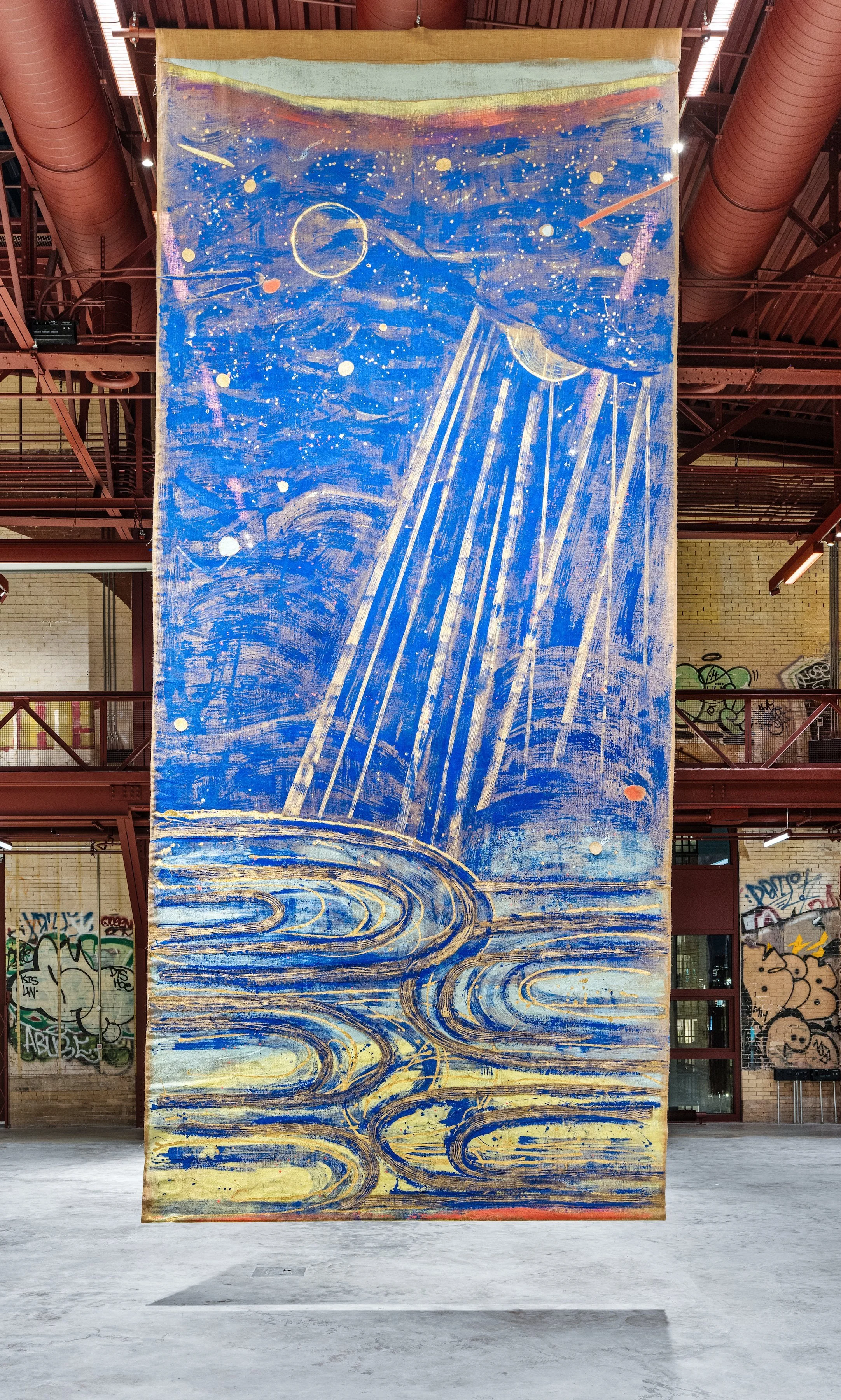
Constellation, 2023
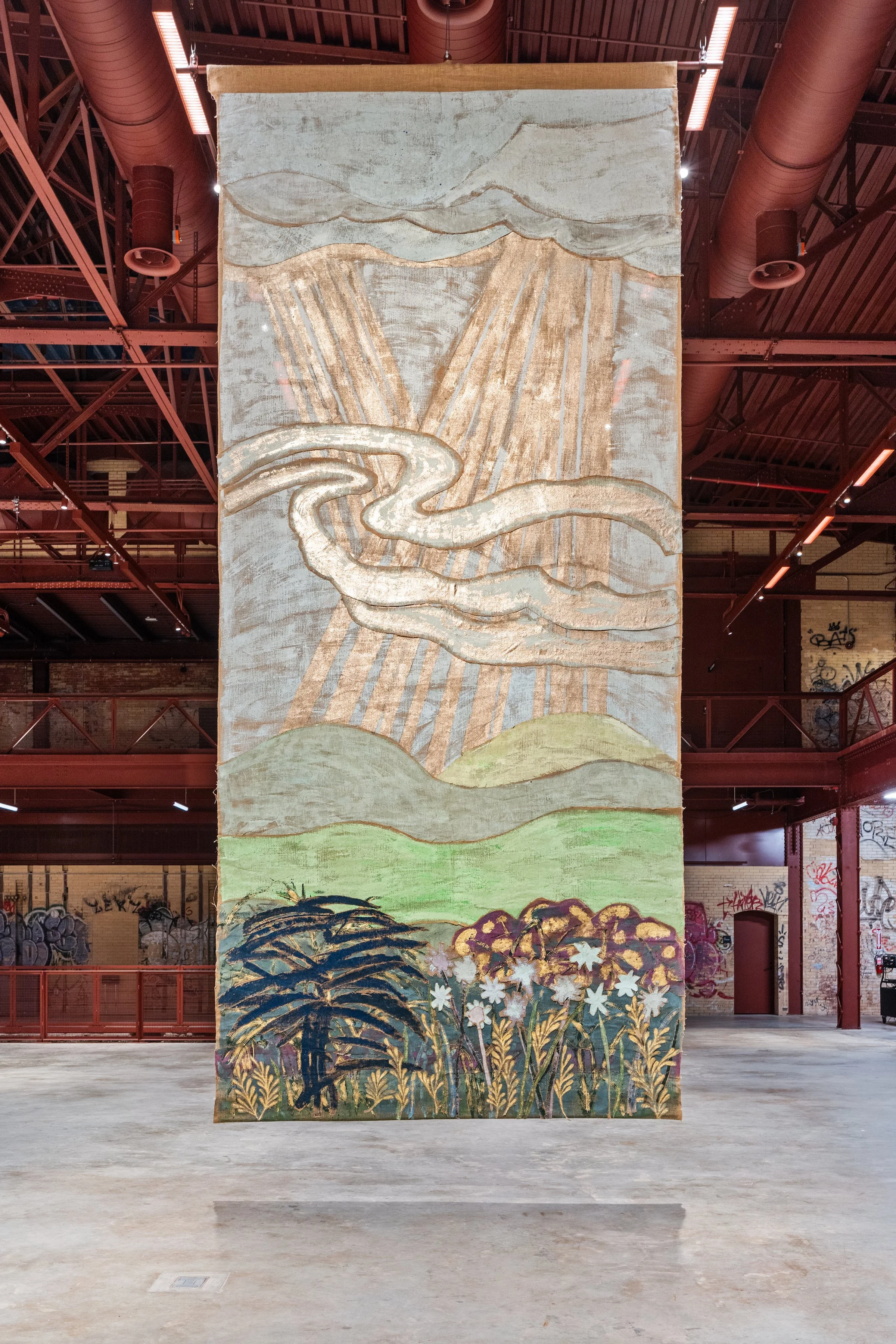
Garden, 2023
The Elements
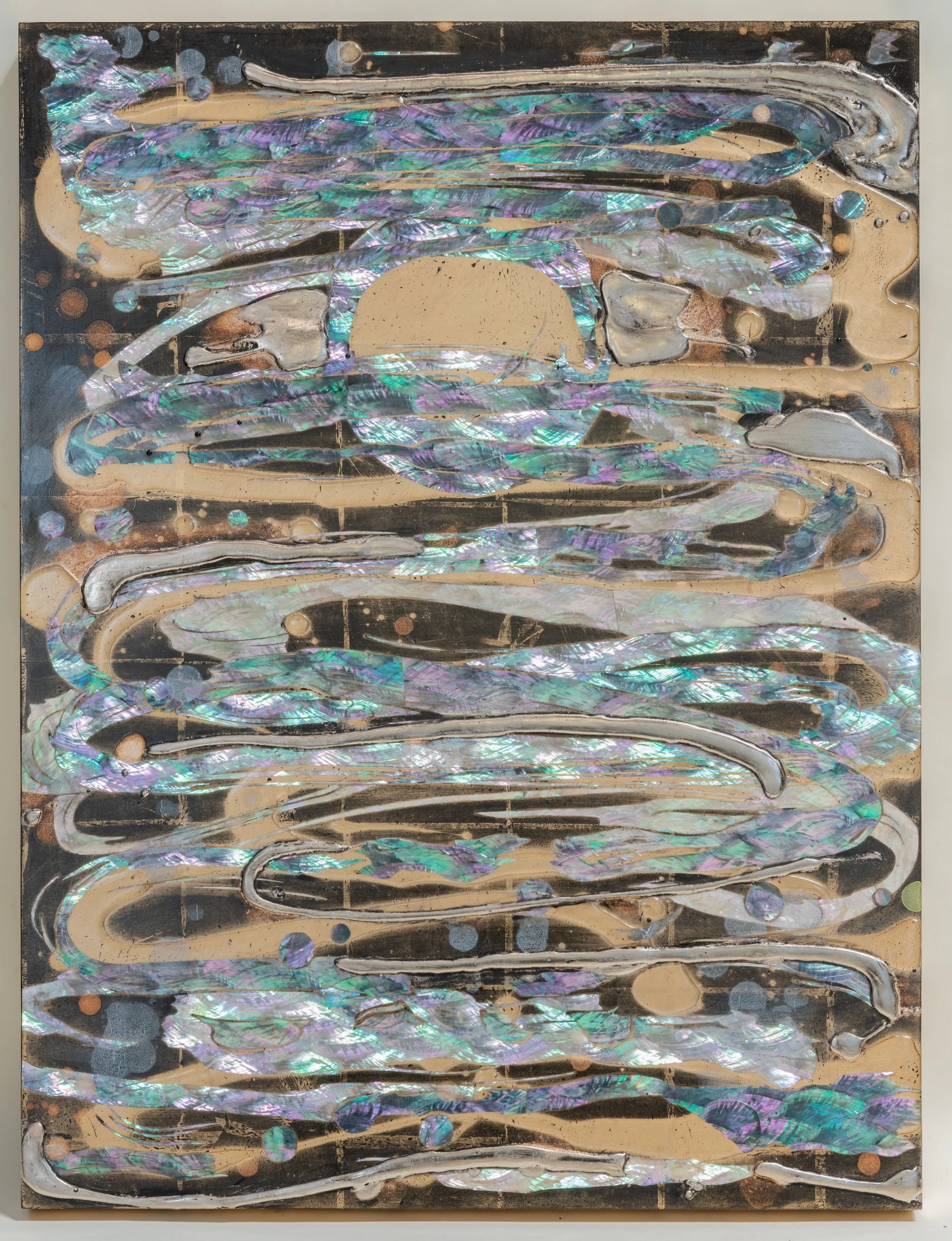
Lunar Element, 2024
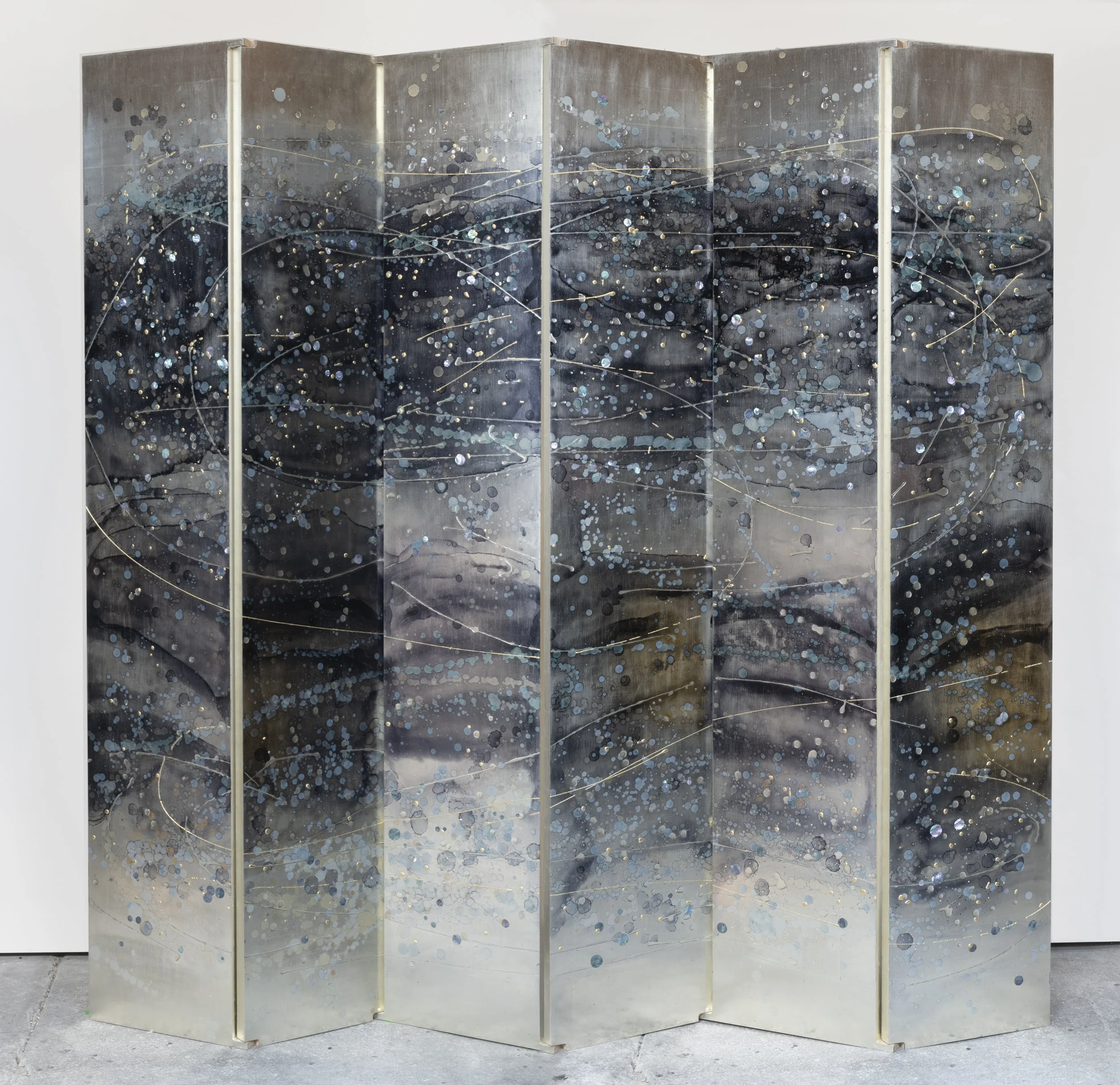
Night Sky Screen, 2023
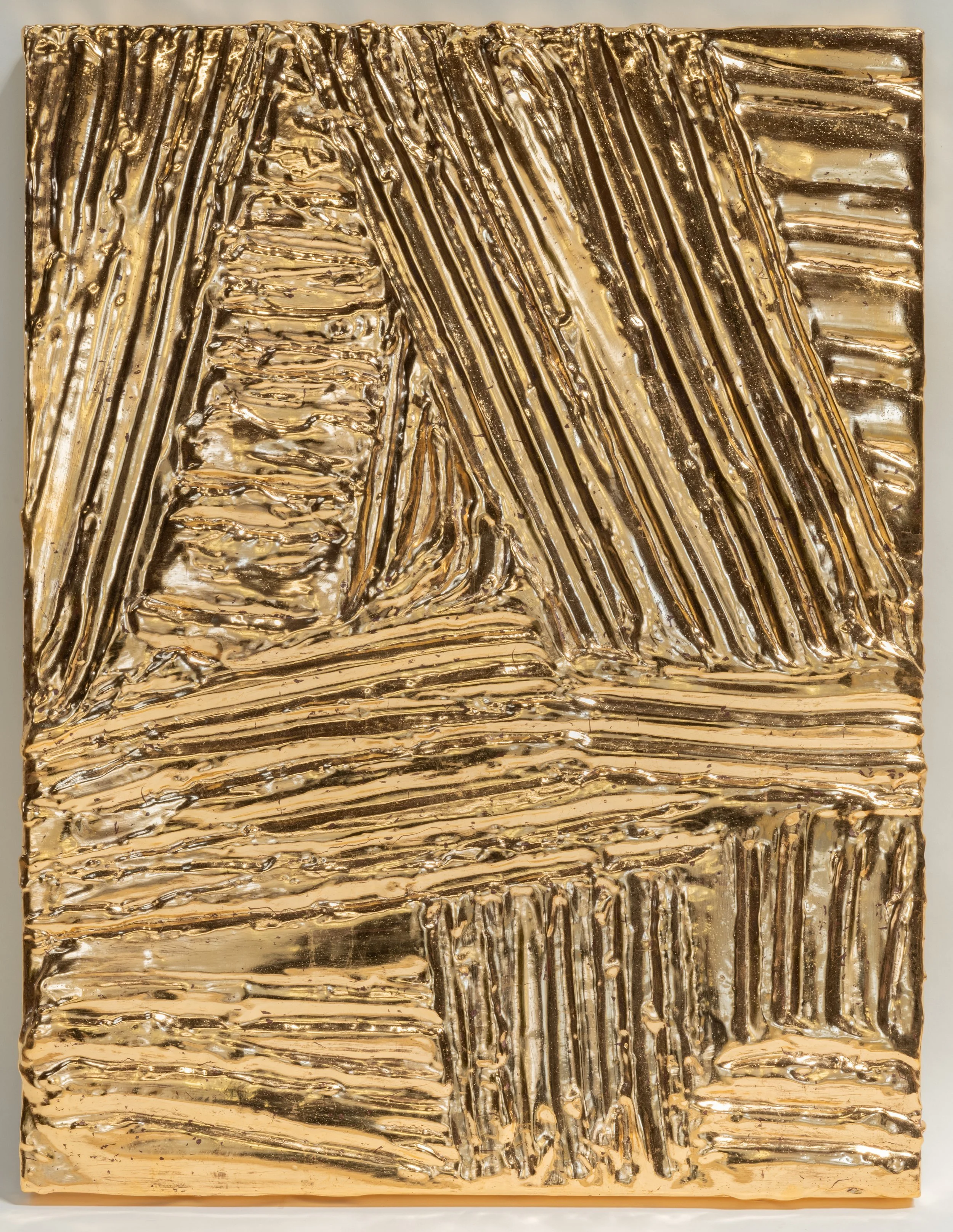
Gold Structure II, 2024
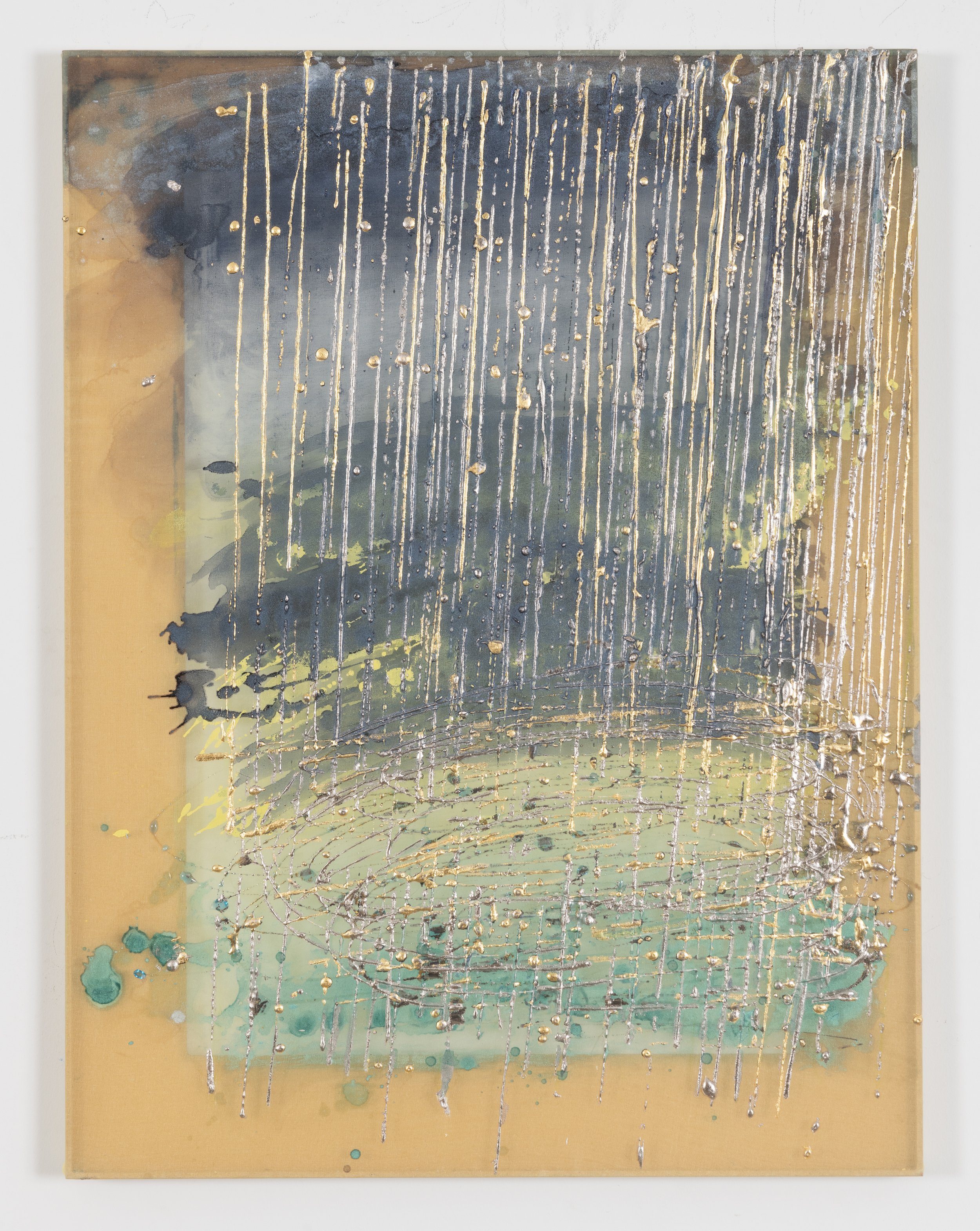
Rain, 2024
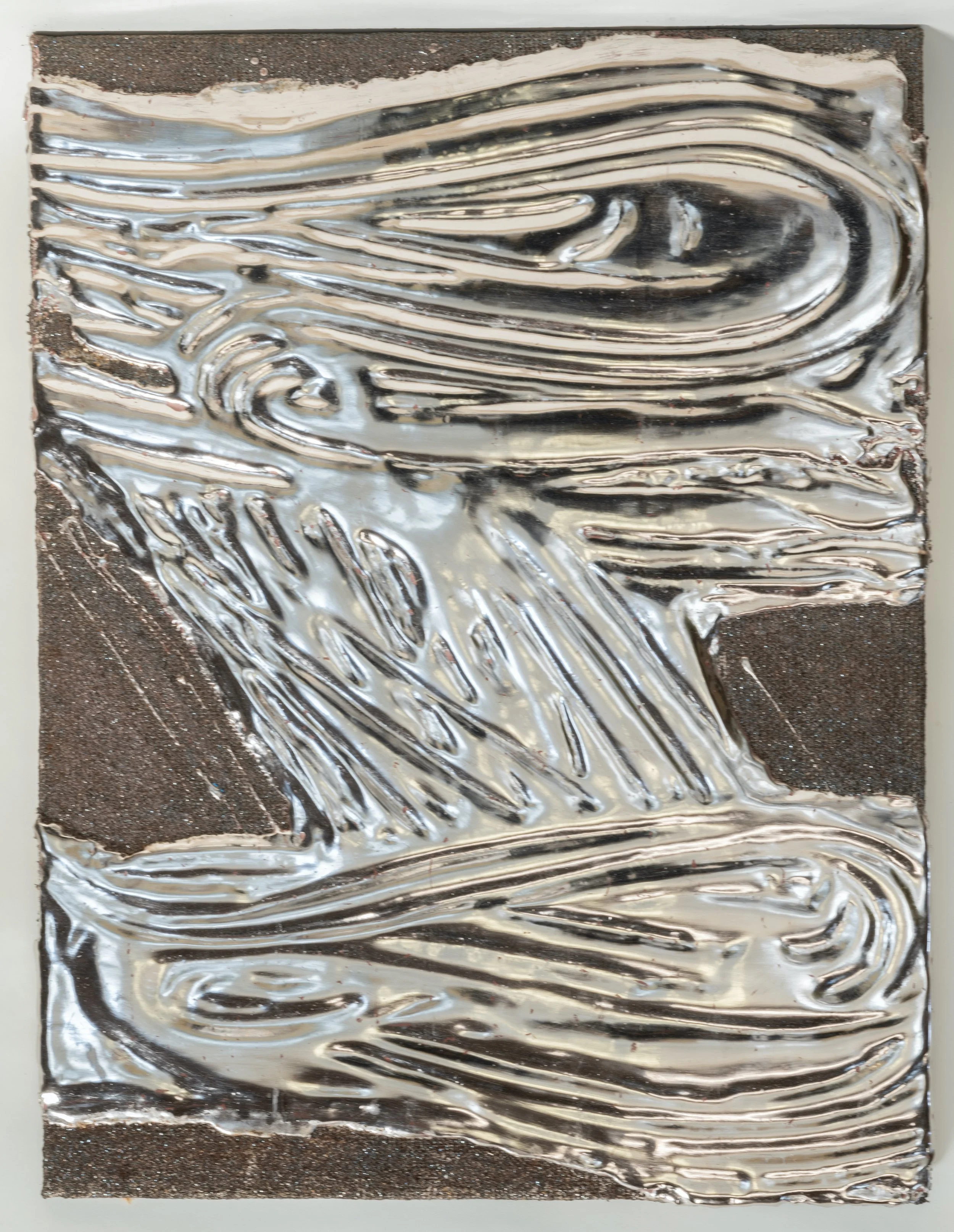
Palladium Iron, 2024
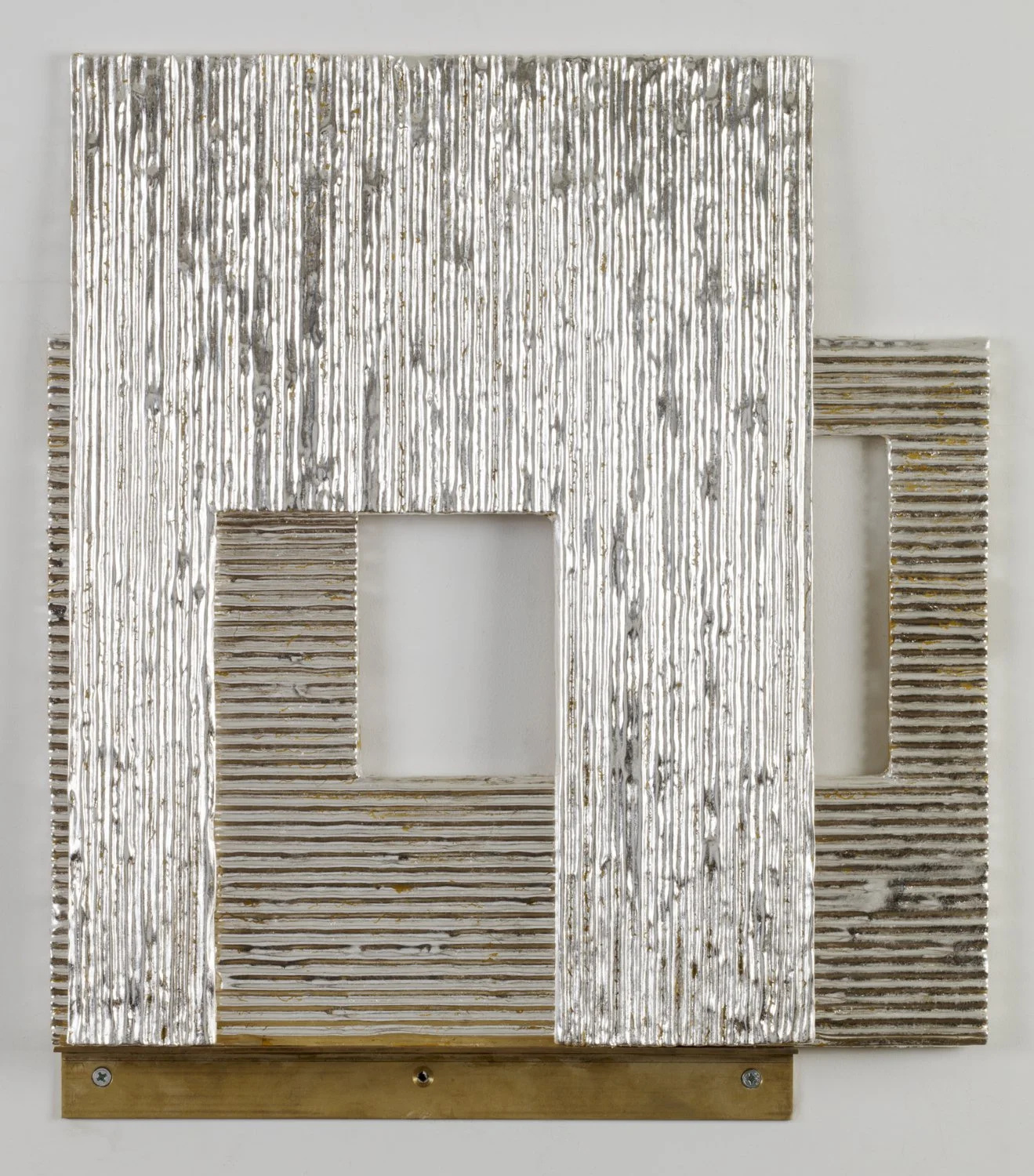
Zn30 Zinc, 2015
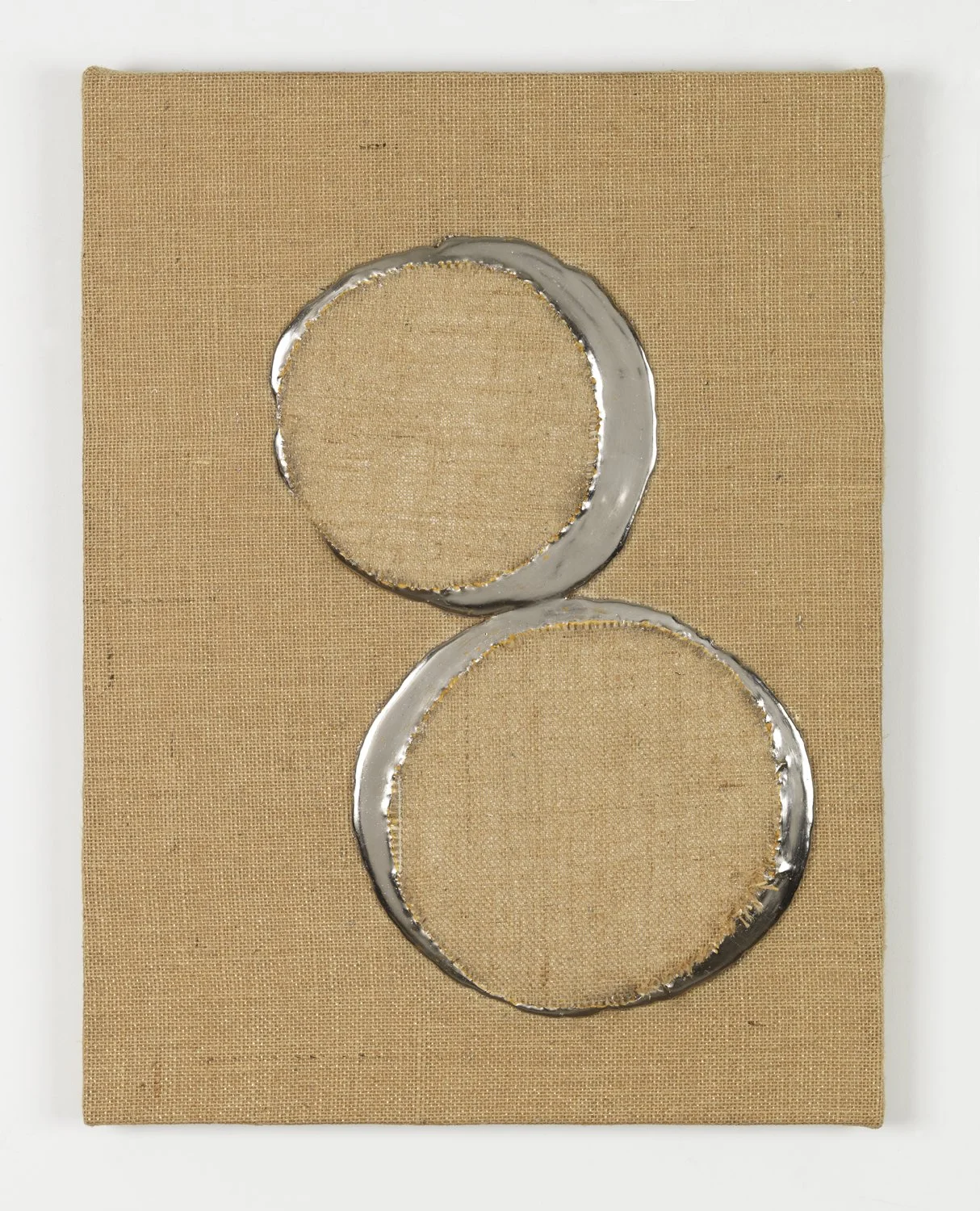
Caplain Relief, 2015
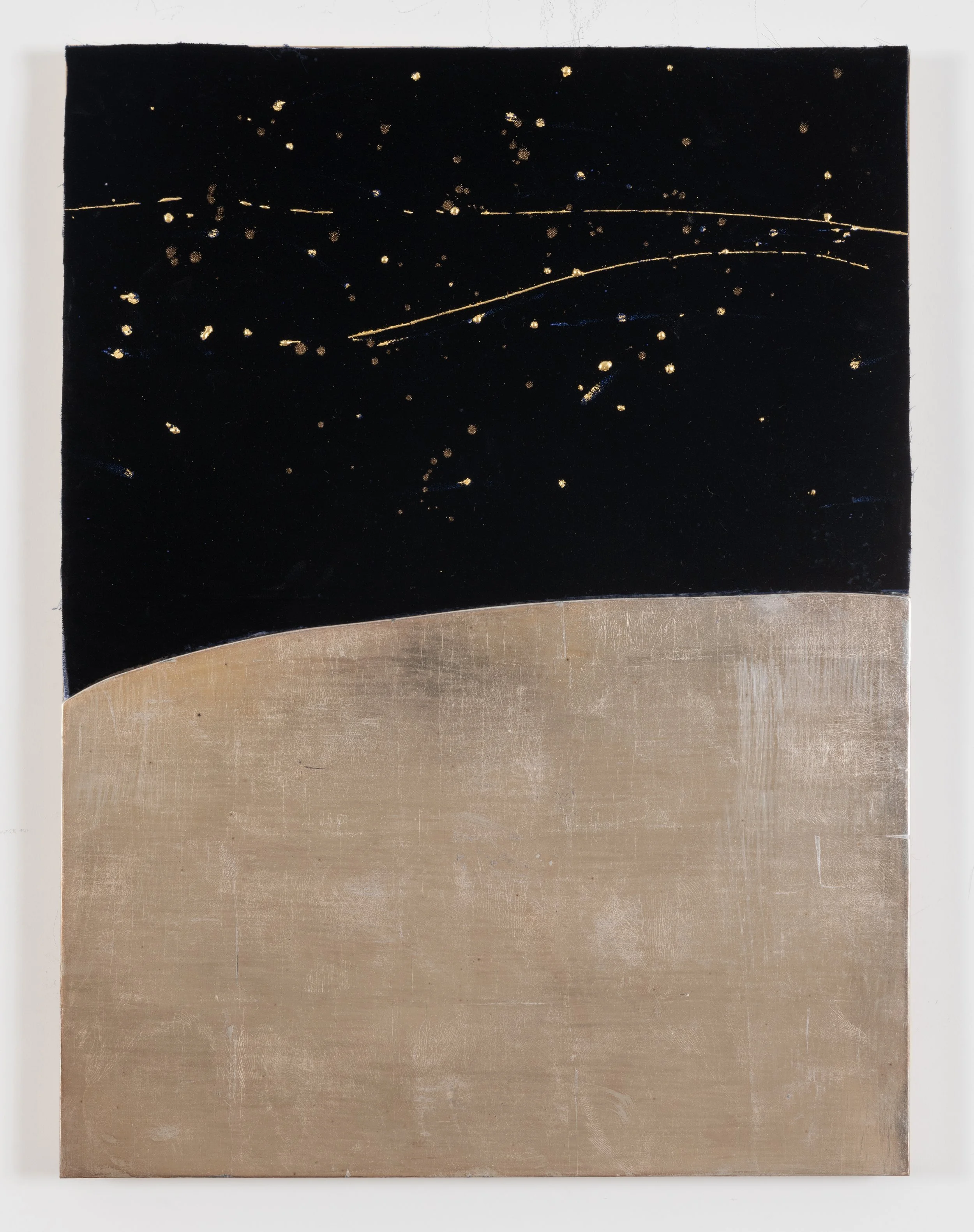
Celestial Element, 2024
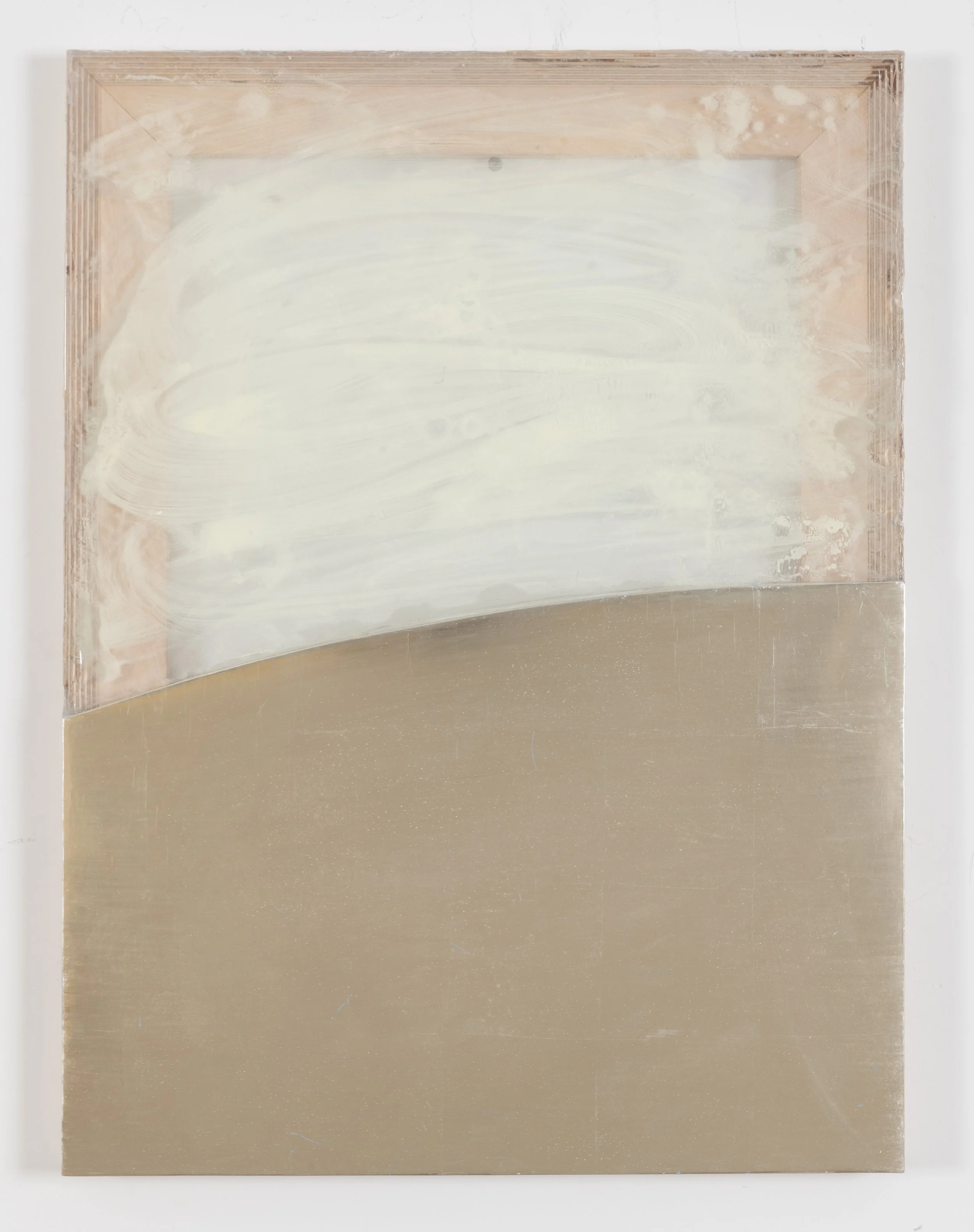
Fluorescent Element, 2024
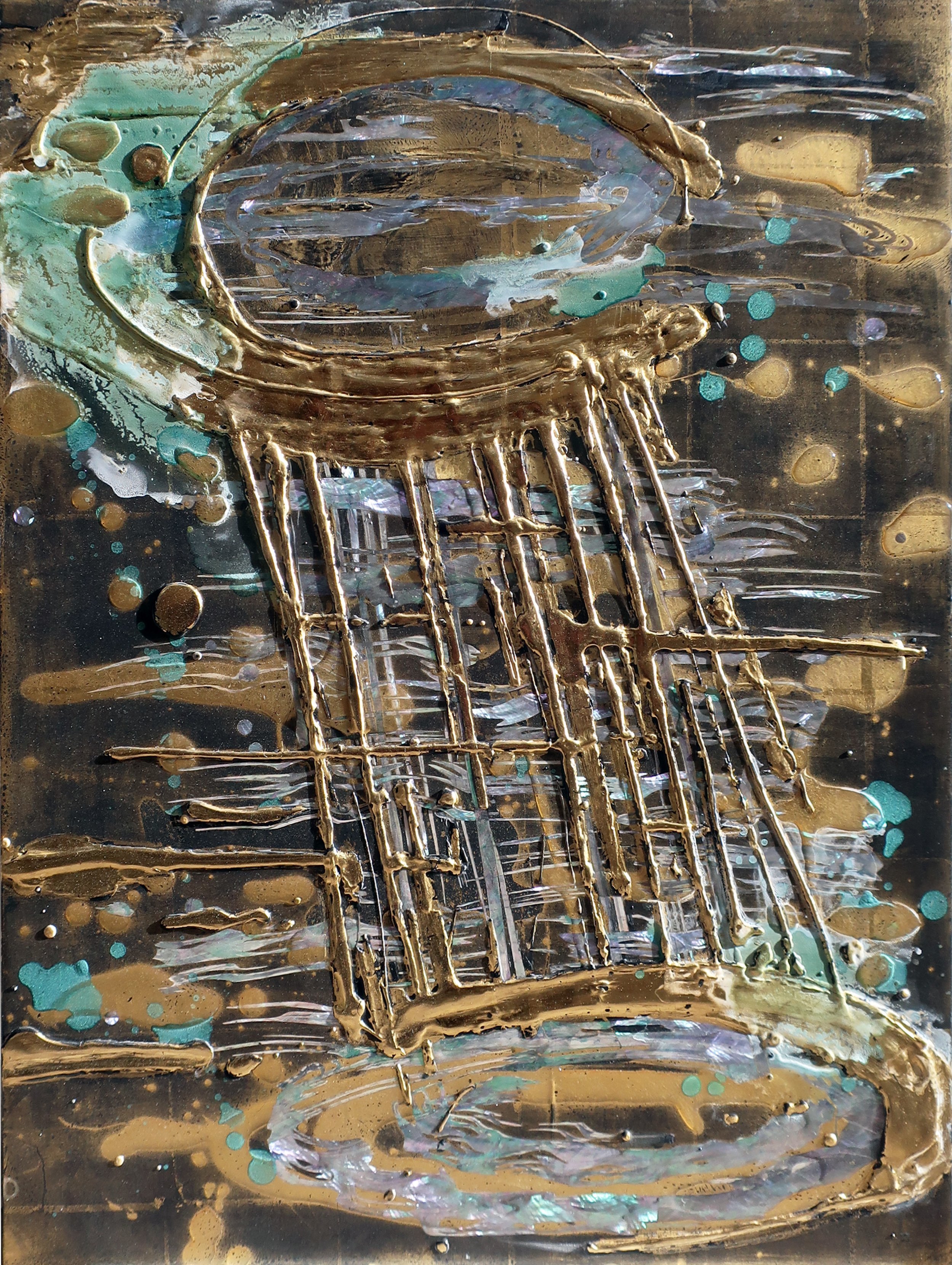
Solar Element, 2024
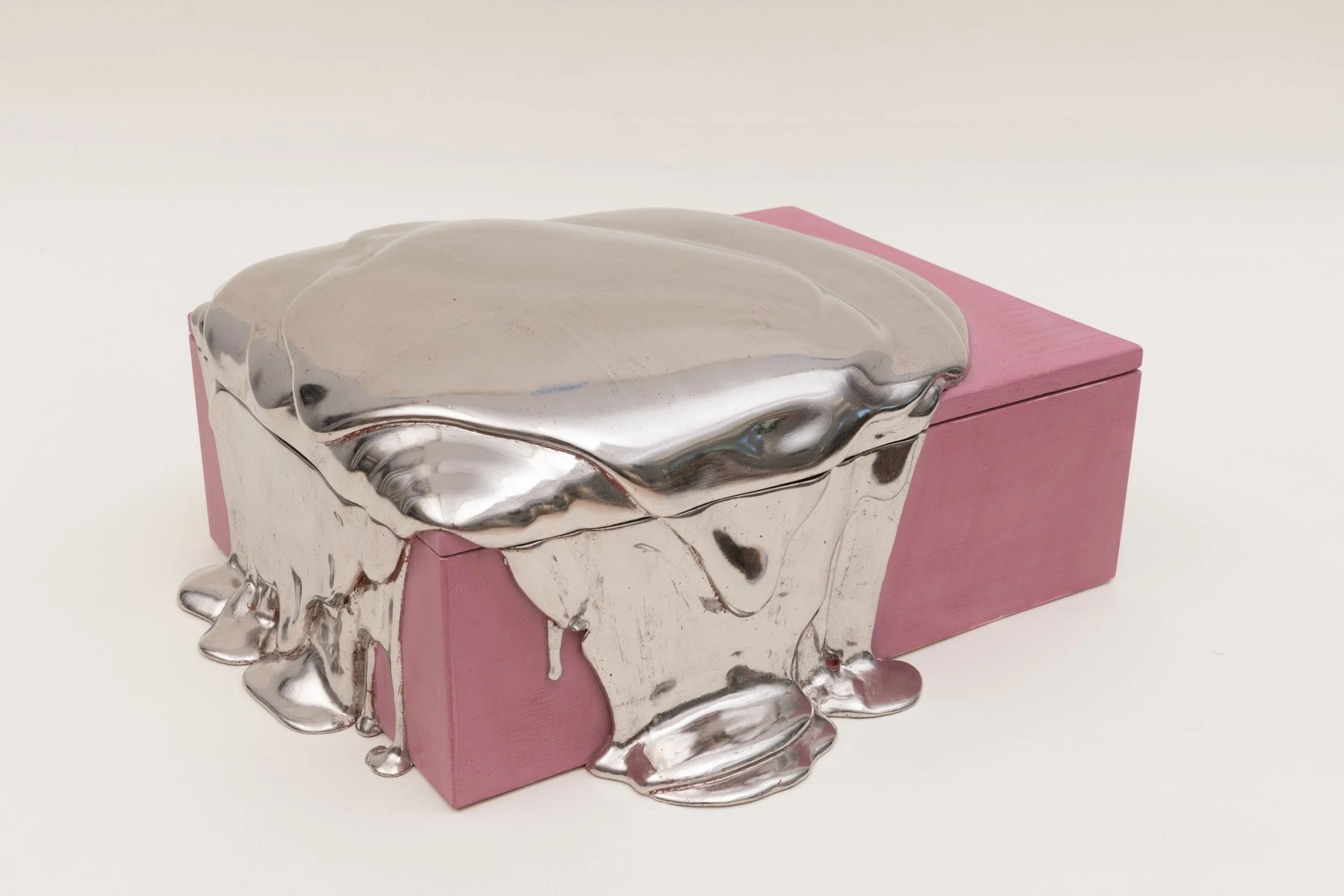
Silver Pour Box, 2024
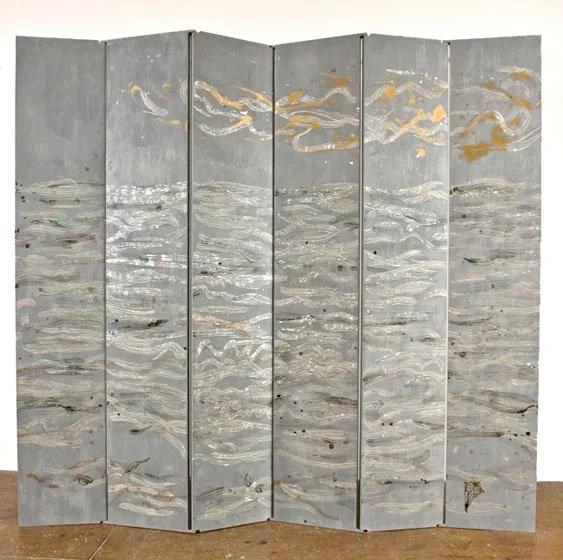
Wave Screen, 2012
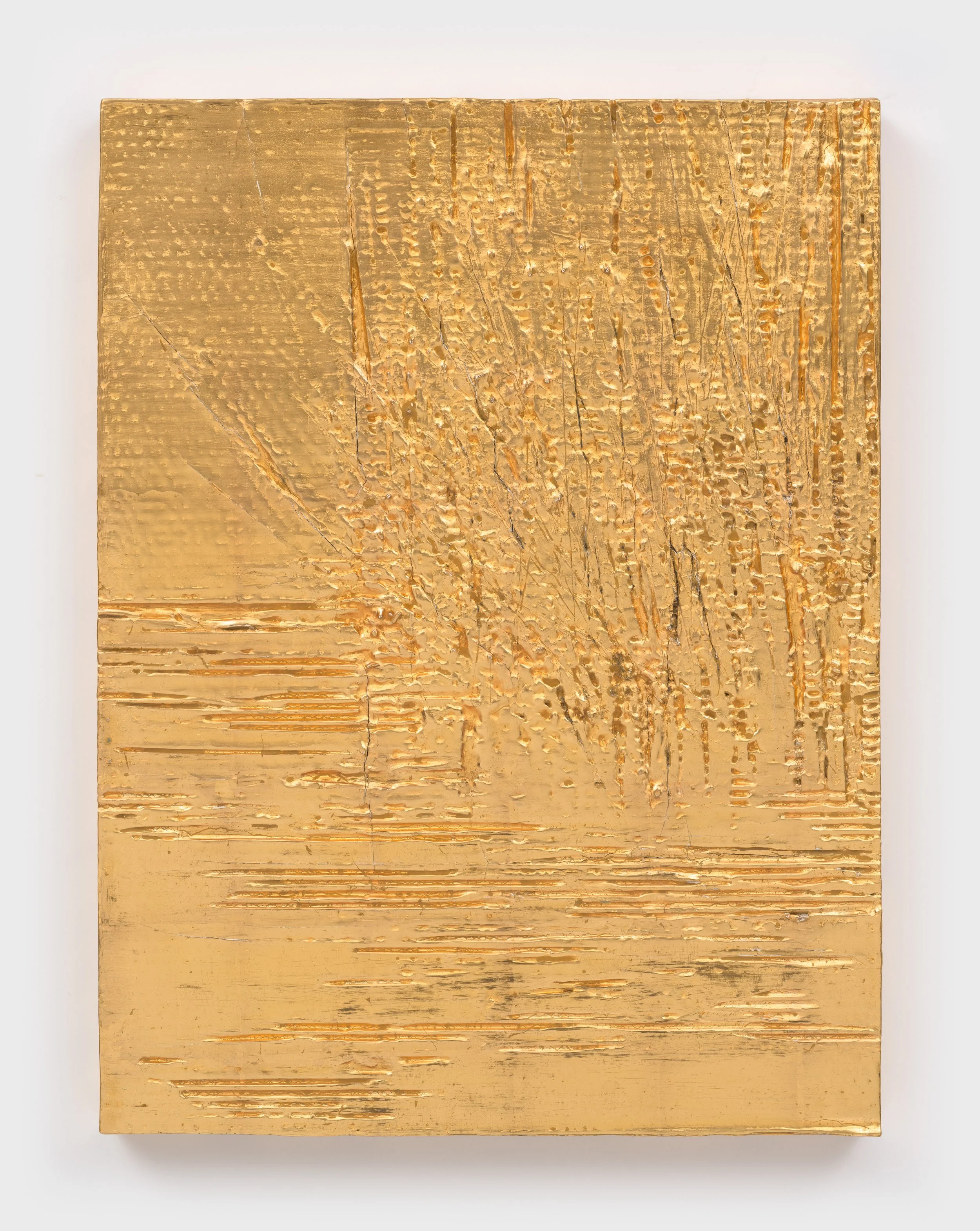
Red Gold Cardboard I, 2013
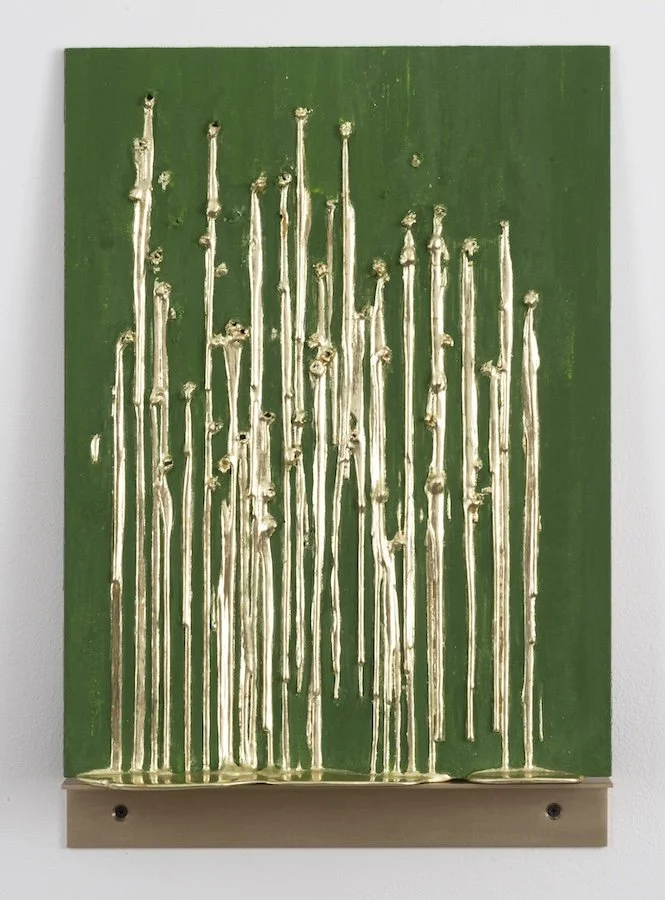
M12 Magnesium, 2015
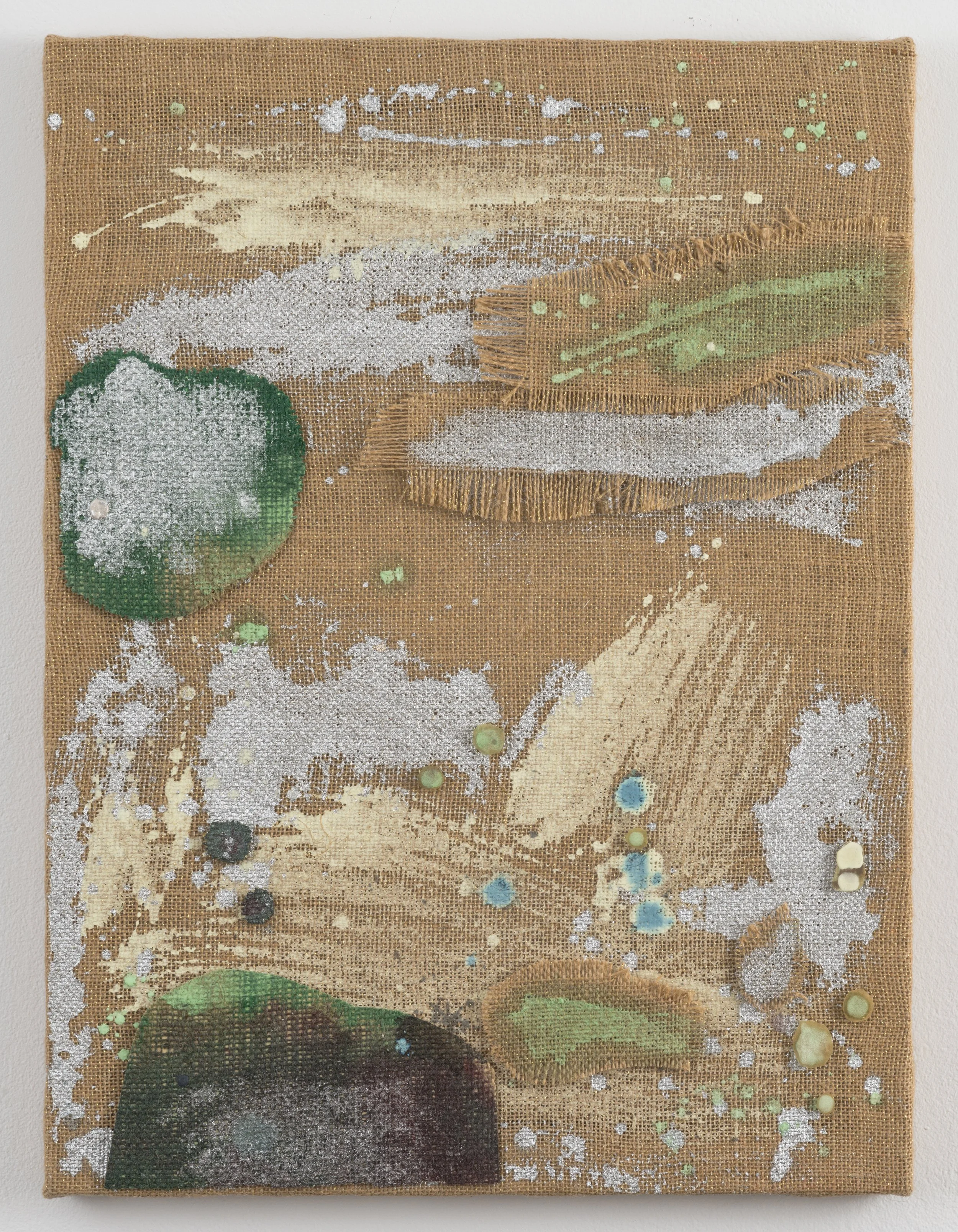
As33 Arsenic, 2015
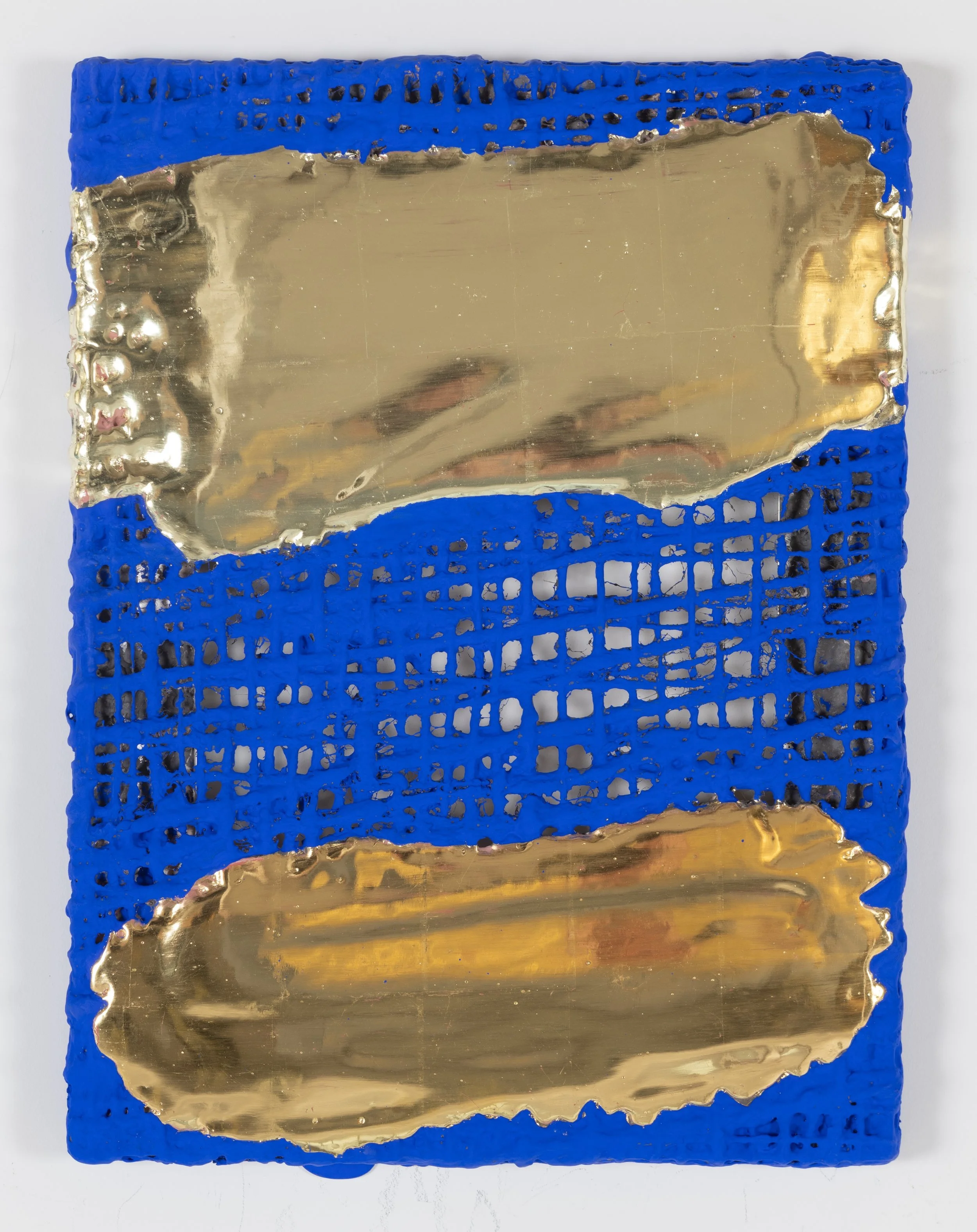
Cobalt, 2024
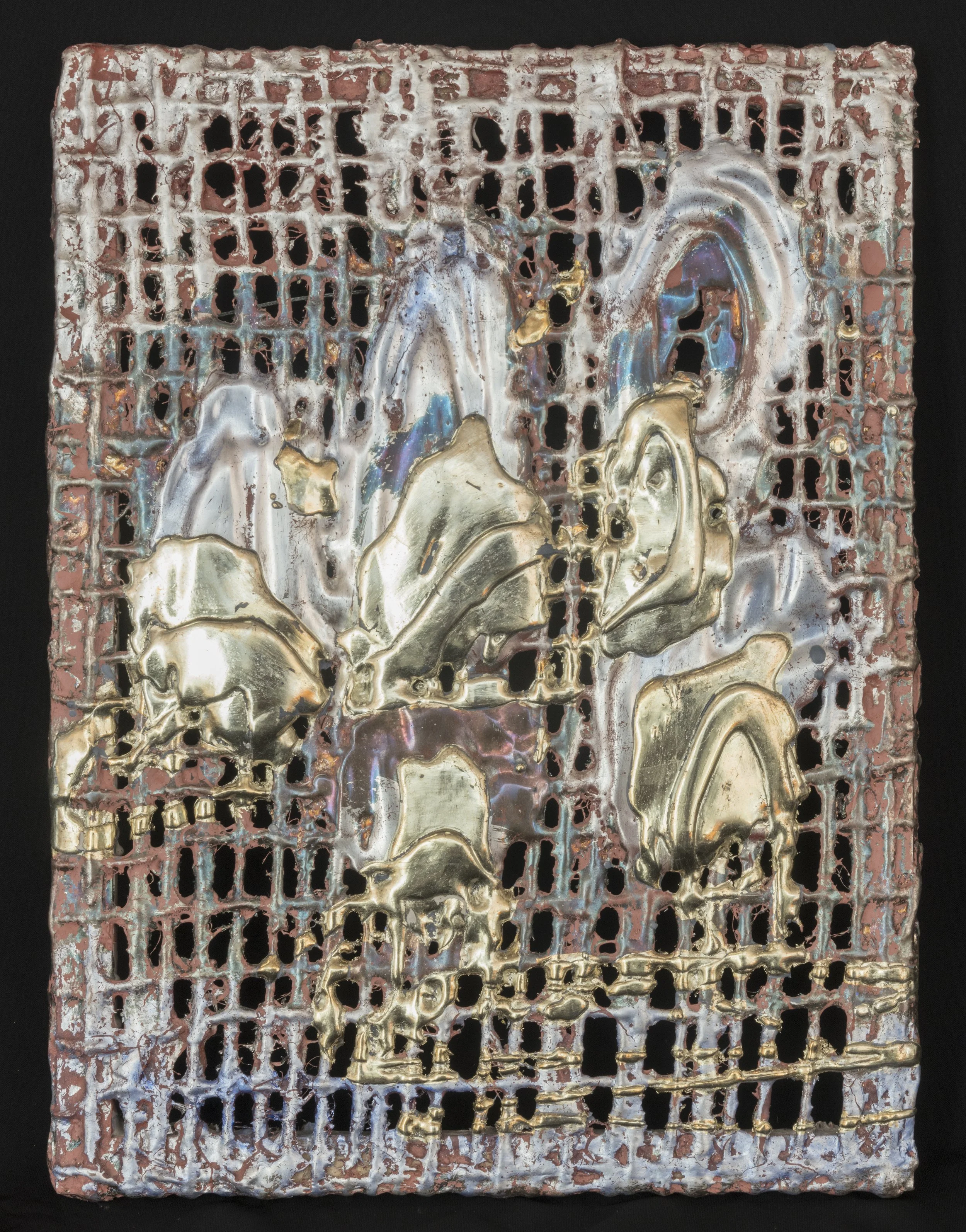
P15 Phosphorous, 2018
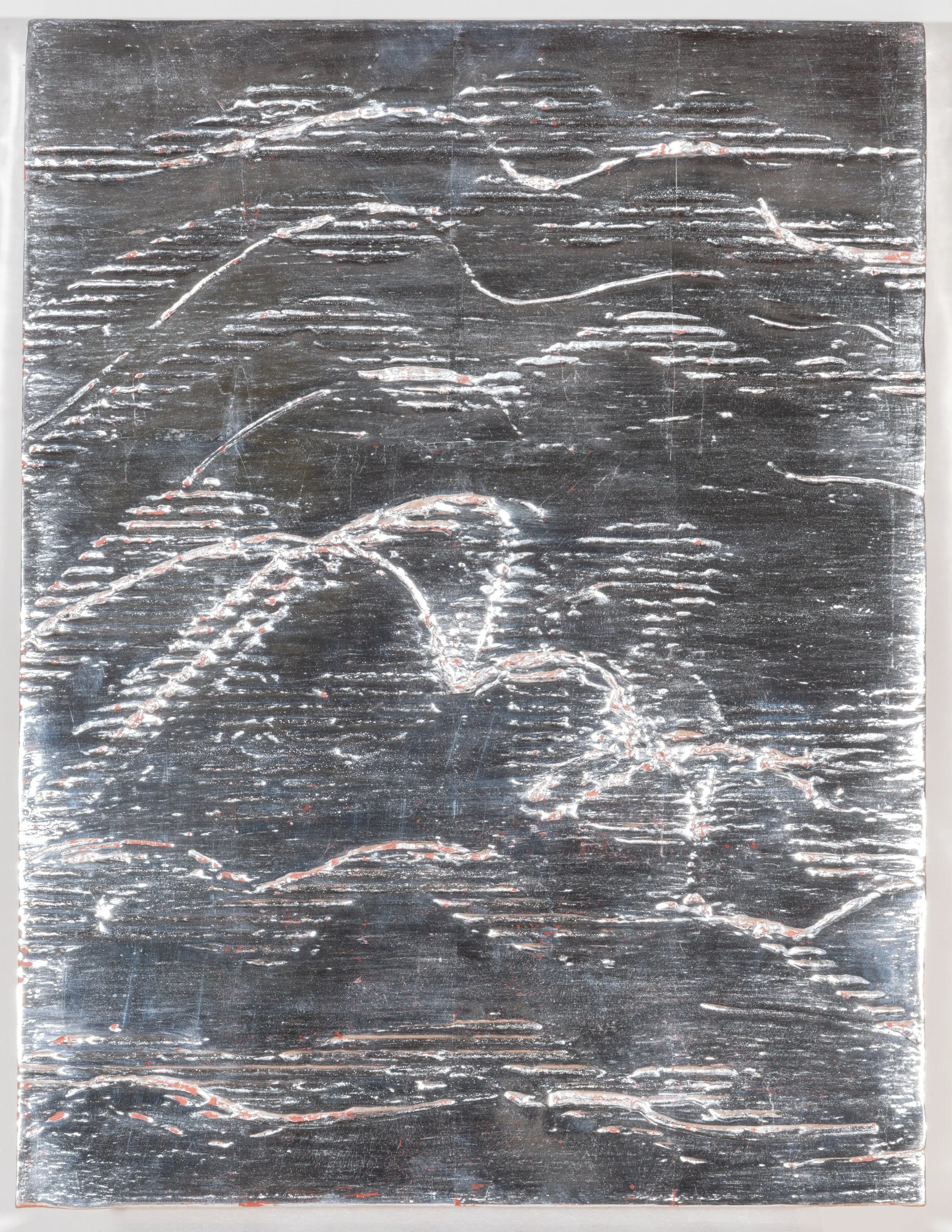
Silver Mountains, 2022
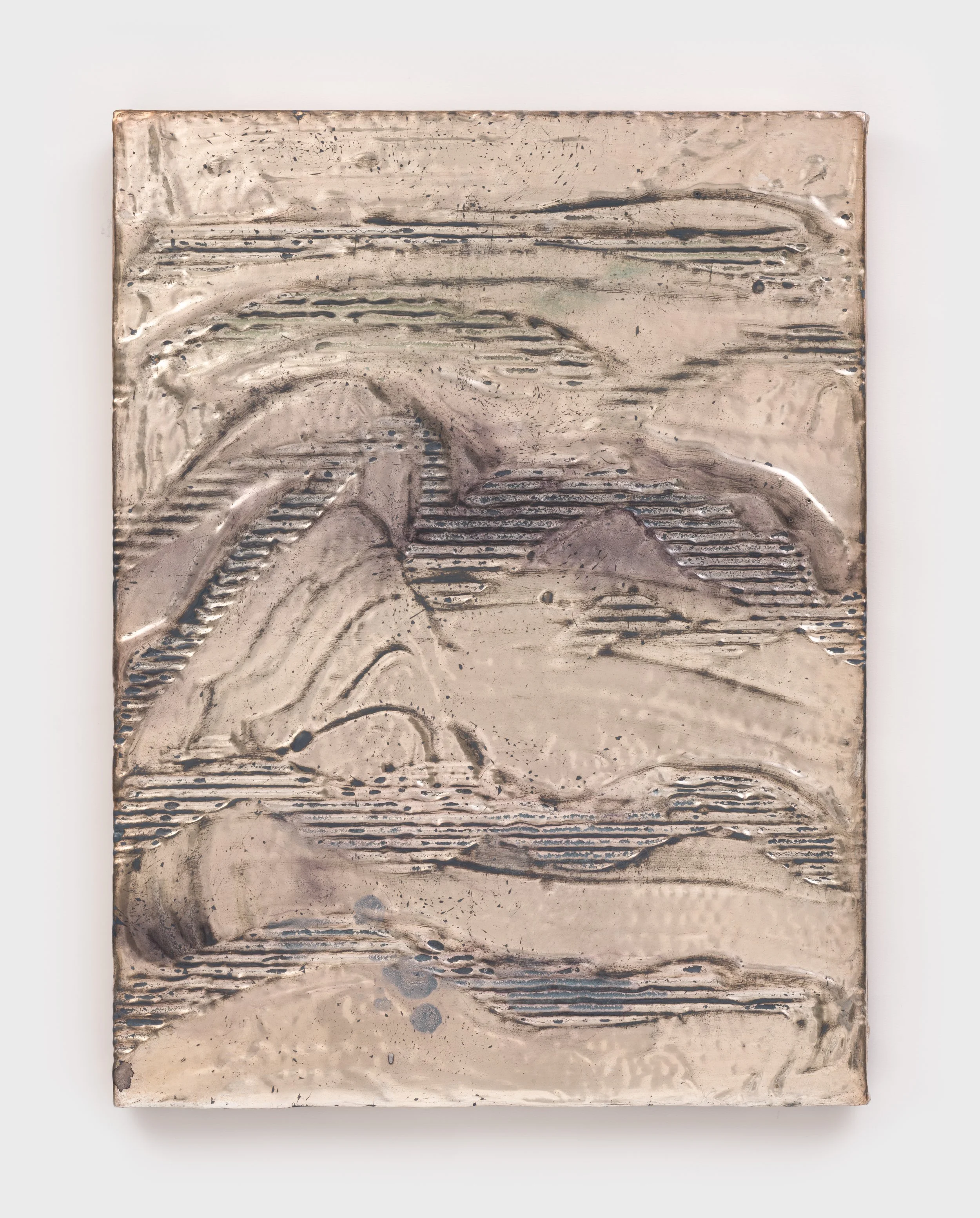
Silver Mountains, 2024
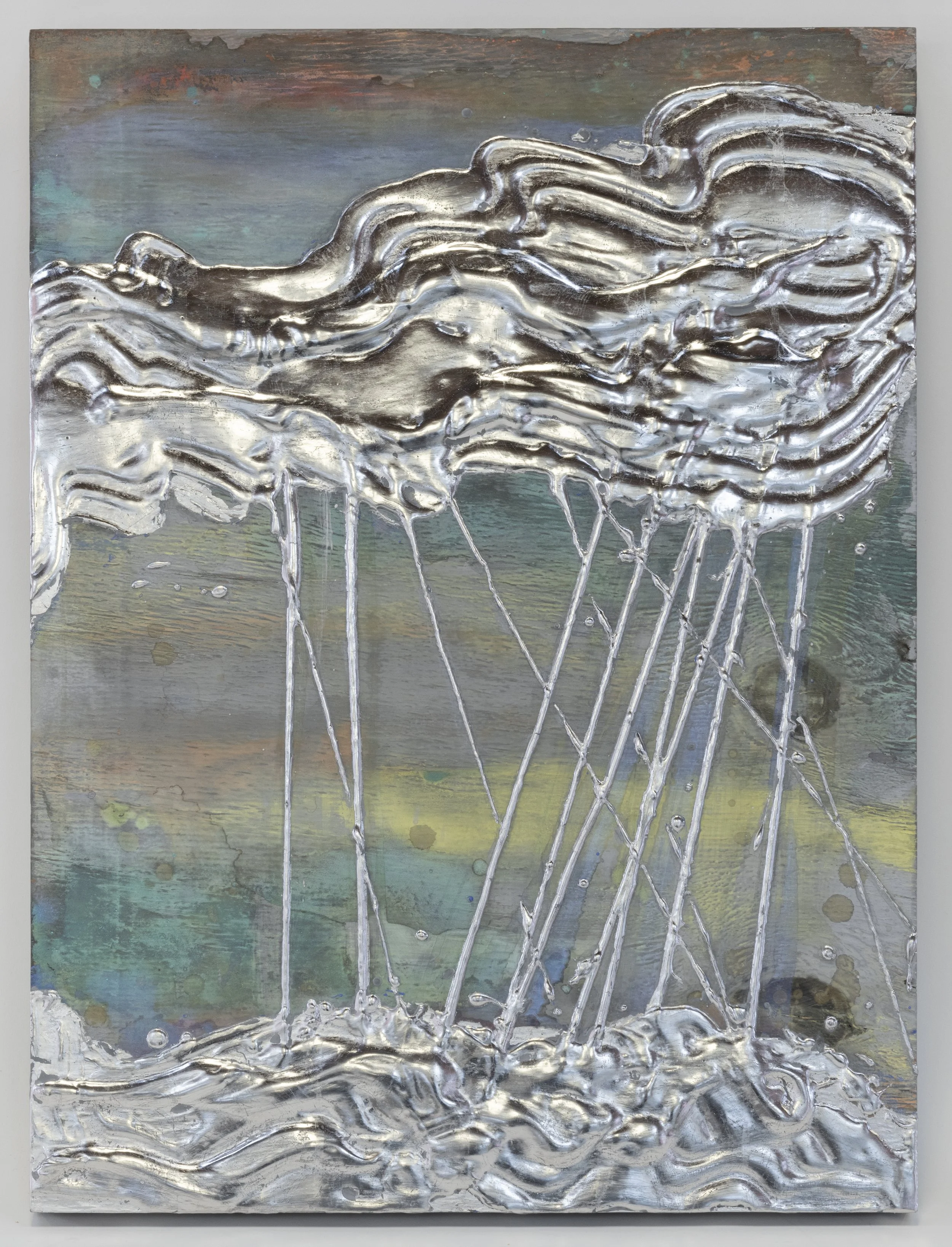
Palladium Cloud, 2023
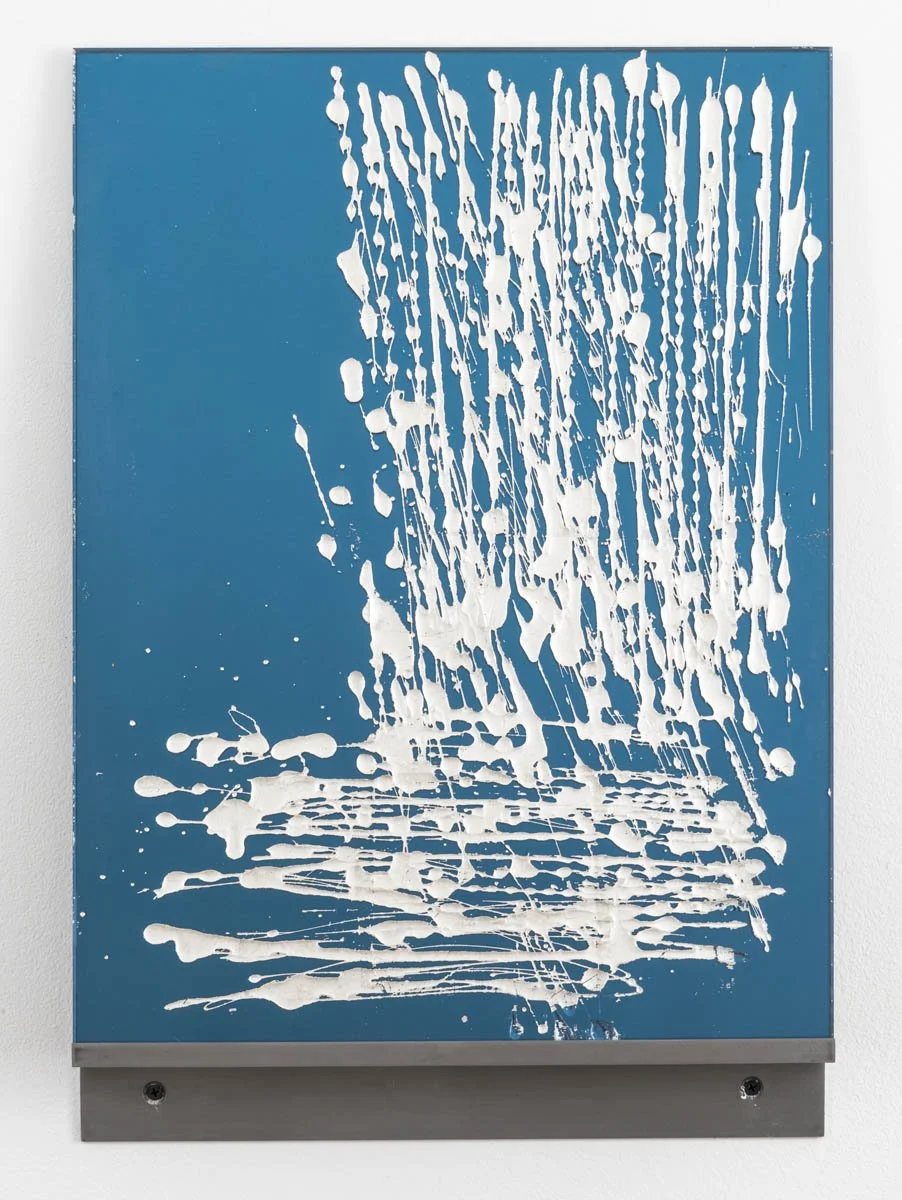
Ar18 Argon, 2015
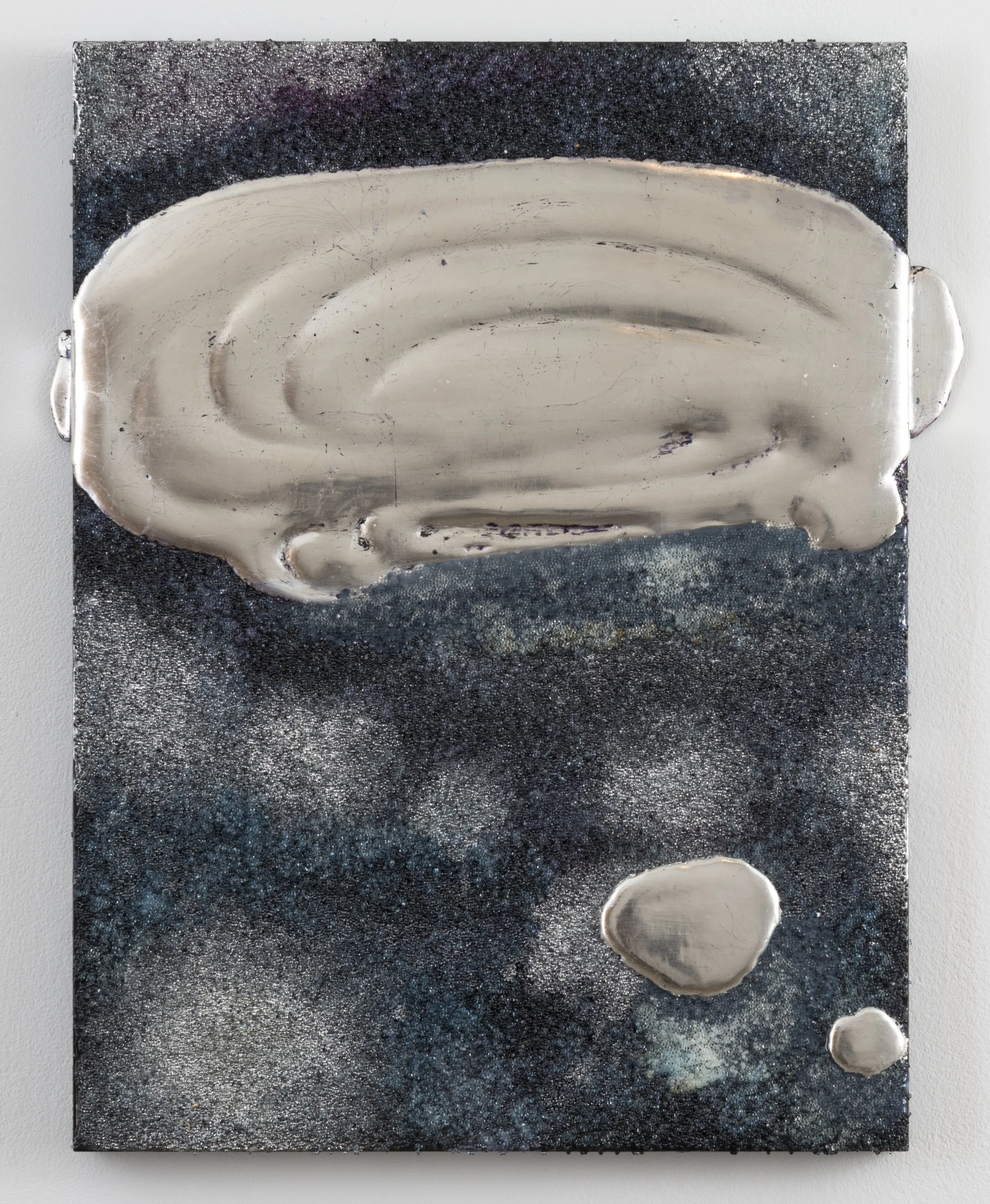
In49 Indium, 2015
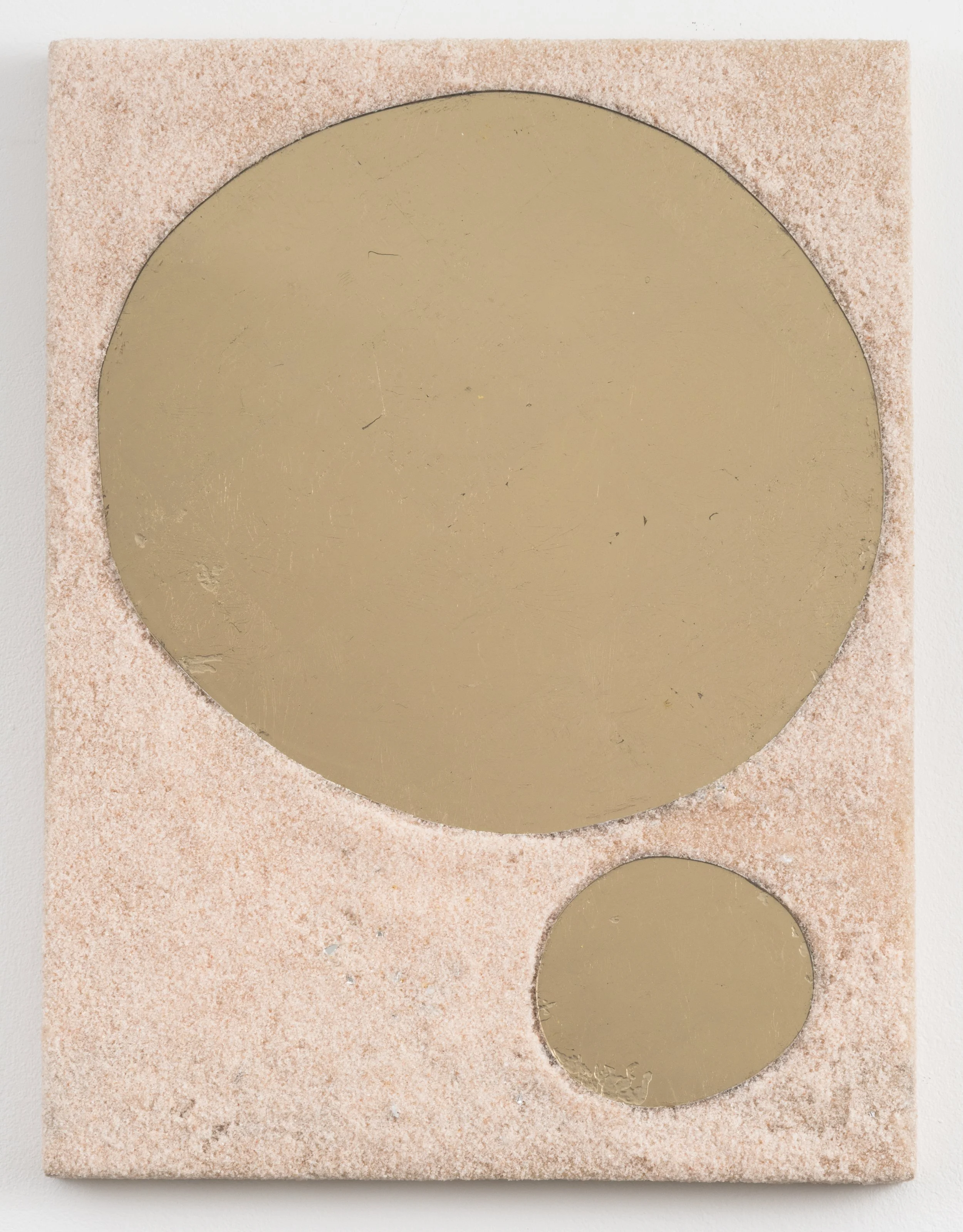
Na11 Sodium, 2015
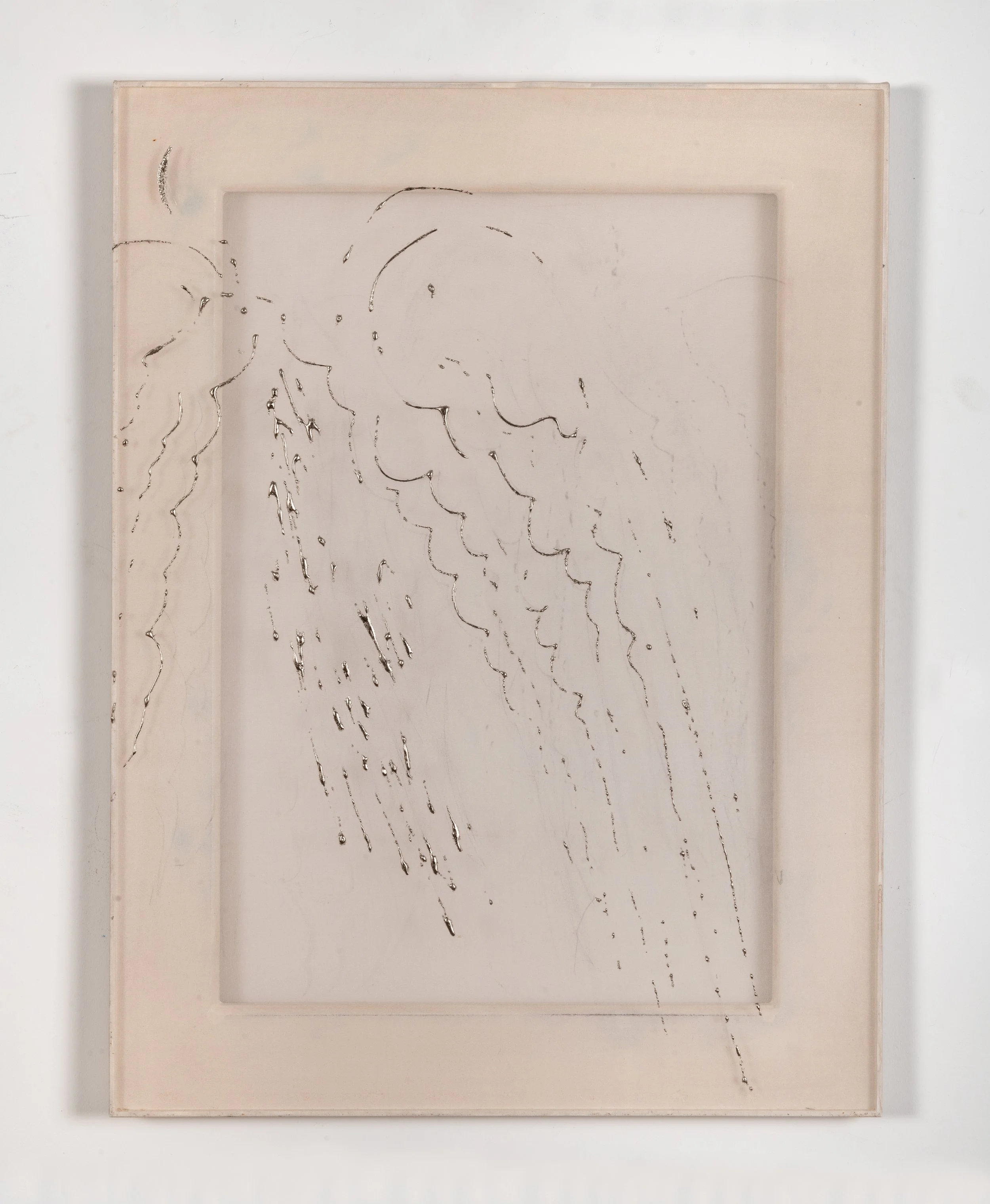
Argon, 2024
Nancy Lorenz
American b. 1962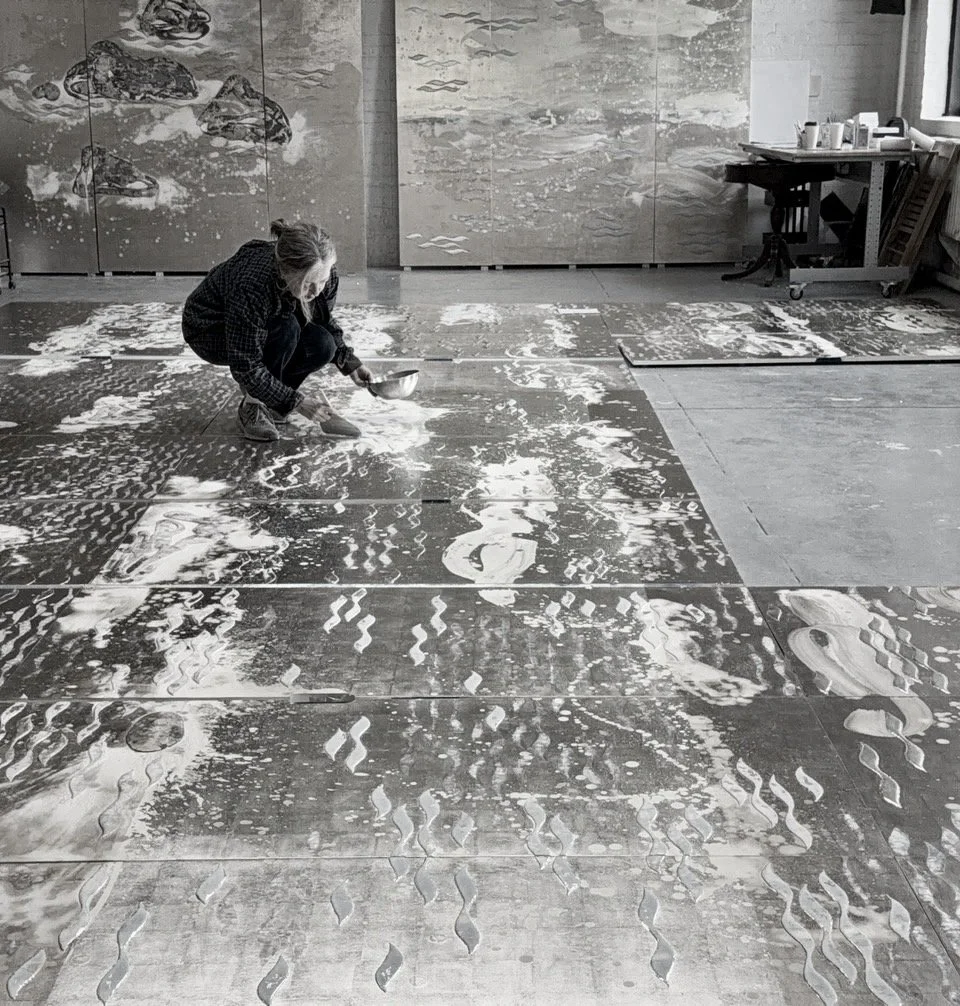
Nancy Lorenz is a visual artist and John Simon Guggenheim Fellow who lives and works in New York City. She earned her BFA in Painting and Printmaking at the University of Michigan and her MFA in Painting at the Tyler School of Art. Her work has been exhibited at numerous museums and galleries, including a mid-career retrospective at the San Diego Museum of Art in 2018. Lorenz’s most recent exhibitions were at ADAA The Art Show (New York), Gavlak Gallery (Palm Beach), PDX Contemporary Art (Portland), and a 2023 site-specific installation at Chiesa degli Artisti (The Church of the Artists) in Rome. She frequently collaborates with leading international architects and designers including William Georgis, Peter Marino, Michael Smith, and William Sofield. Lorenz’s work can be seen in public spaces around the world—including Chanel, Dior, and Tiffany’s stores—as well as in numerous private collections. An upcoming exhibition at the Taubman Art Museum in 2027 will feature the artist’s ongoing exploration of the periodic table of elements.